Cartonnage Mask of a Woman, Egypt, mid 1st century BCE–mid 1st century CE.
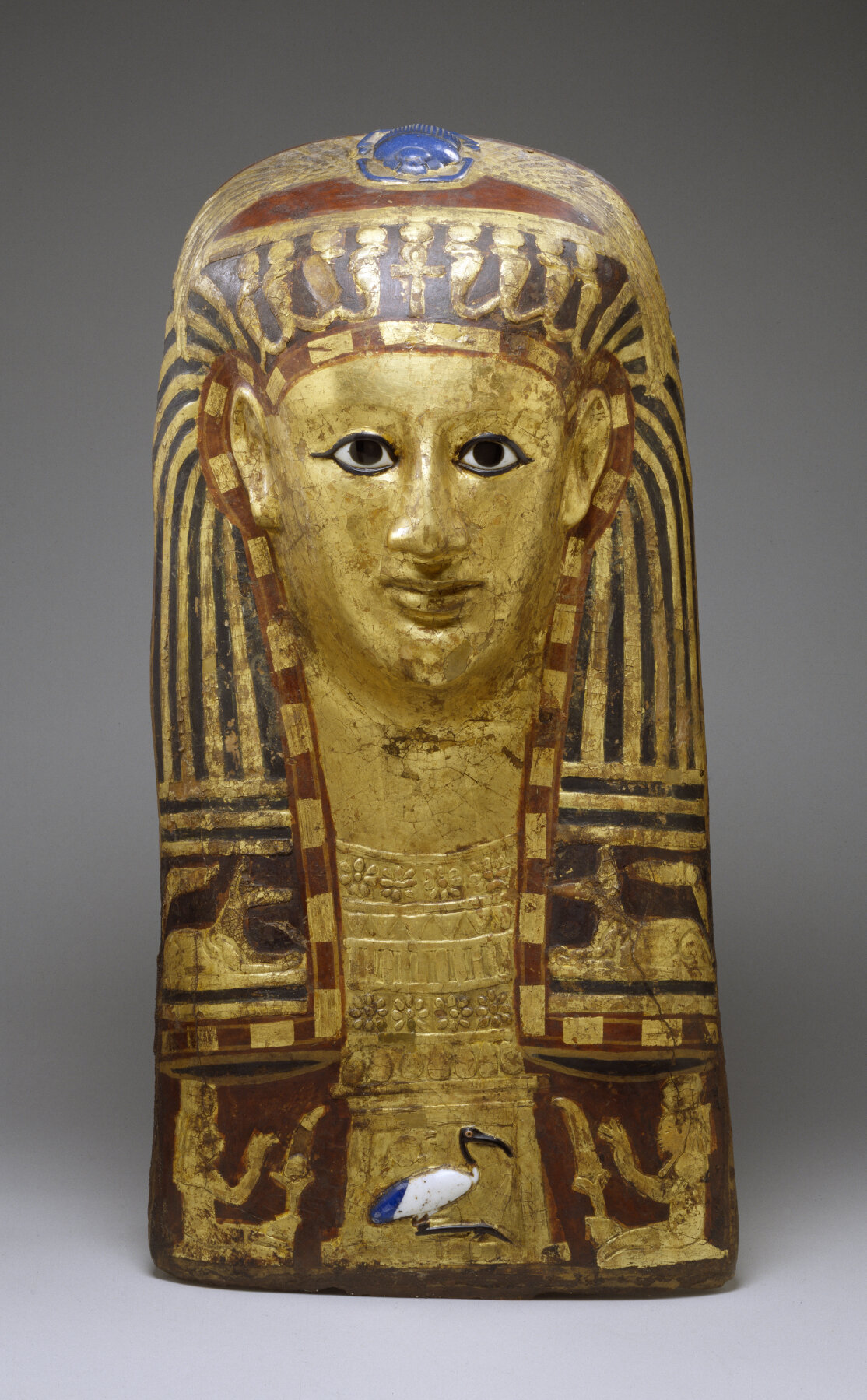
The Walters Art Museum’s collection spans more than seven millennia, from 5000 BCE to the 21st century, and encompasses some 36,000 objects housed across the museum’s five-building campus in the heart of Baltimore’s Mount Vernon neighborhood.
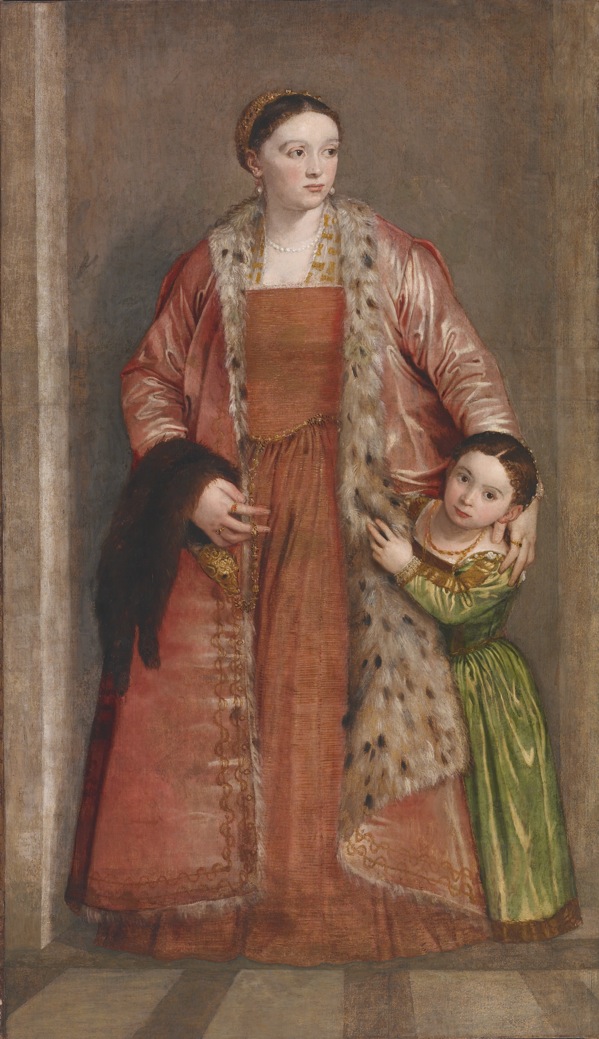
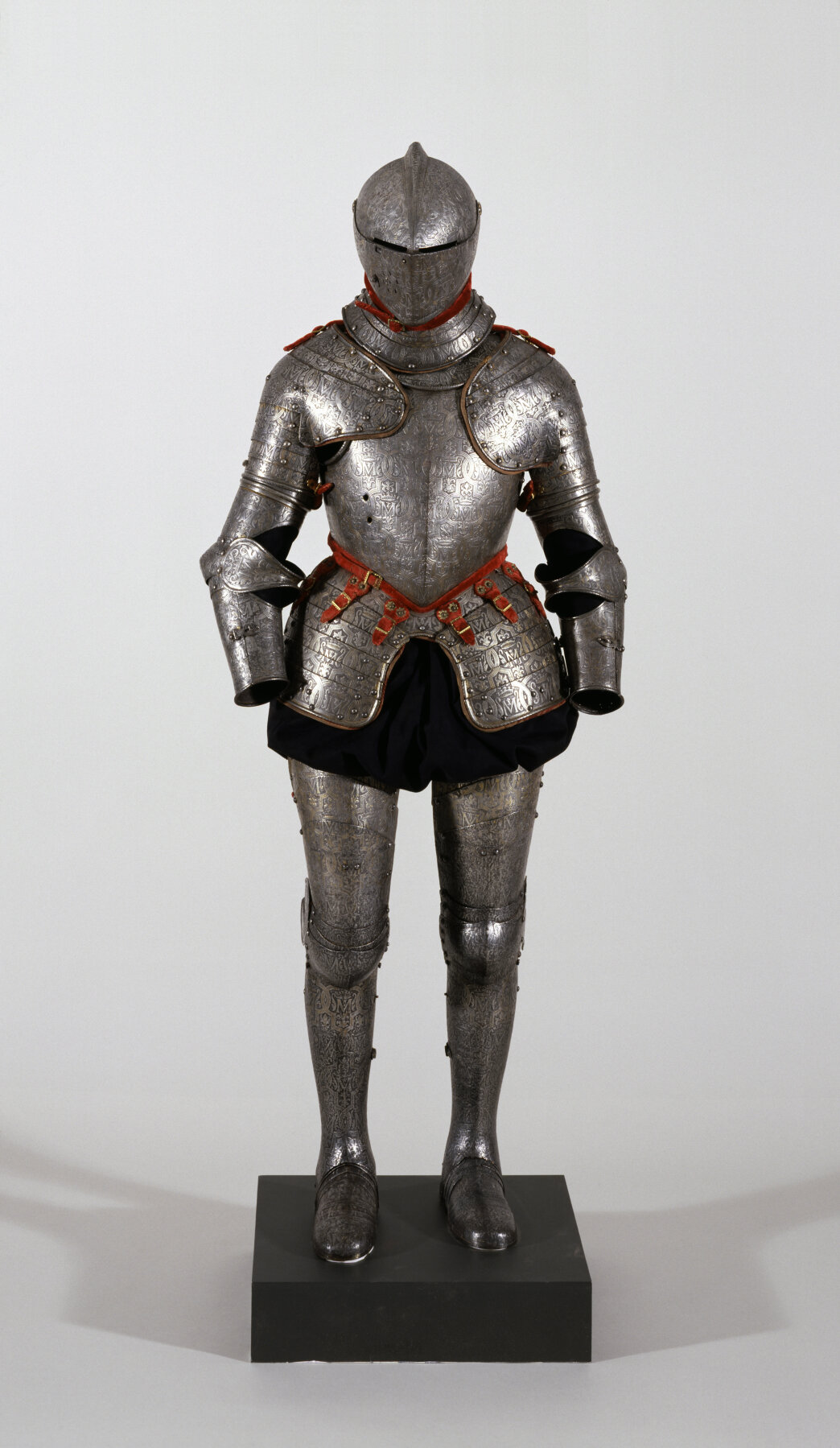
Walking through the museum’s historic buildings, visitors encounter a stunning panorama of thousands of years of art, from romantic 18th and 19th-century images of French gardens and Latin American effigies to mesmerizing Ethiopian icons, richly illuminated Qur’ans and Gospel books, ancient Roman sarcophagi, and serene images of the Buddha.
The Walters’ 36,000-object collection sparks wonder and surprise. In presenting it, we uncover stories behind the objects, share those histories through multiple viewpoints, and illuminate connections with visitors’ lives today. Our extraordinary collection is rich in works that represent the height of human creativity and artistry. Today, the museum continues to expand and selectively acquire historic and contemporary works that resonate with and complement its existing permanent collection.
You can discover our collection in person by visiting our galleries, or you can explore online, where you can find out more information about thousands of artworks from around the world and across the centuries. Access details about the artworks, including conservation and exhibition histories, and download images through this open-access digital resource.
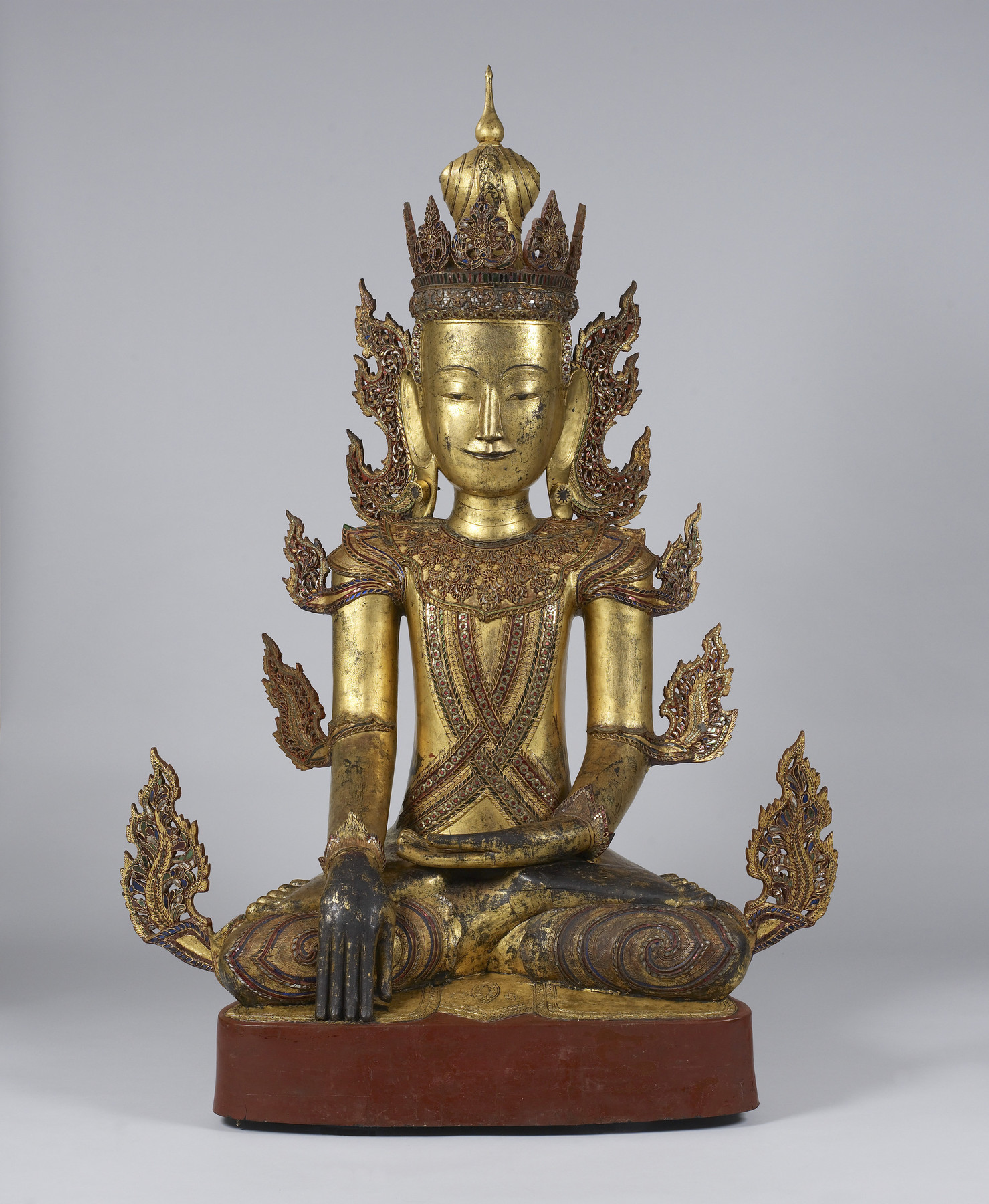
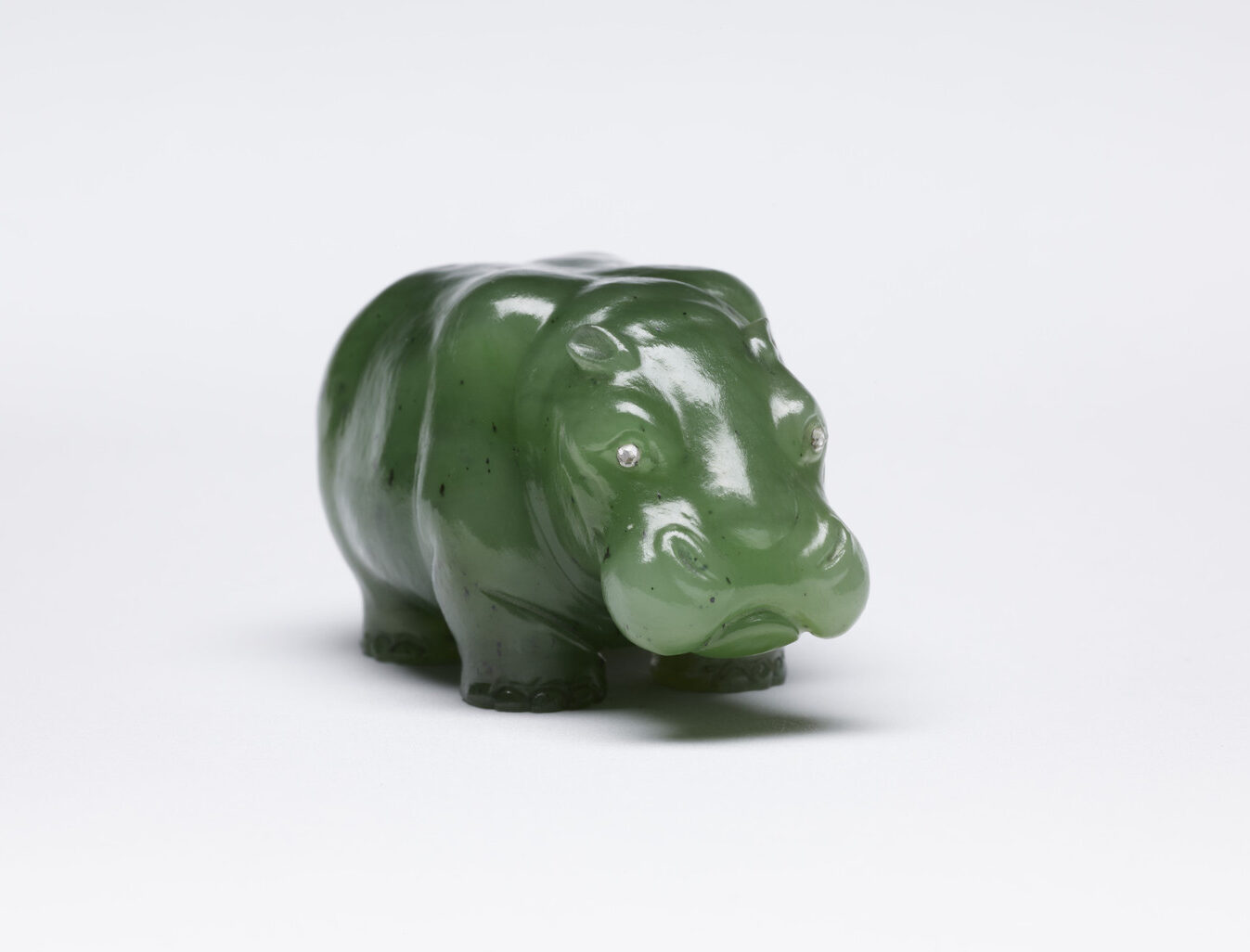
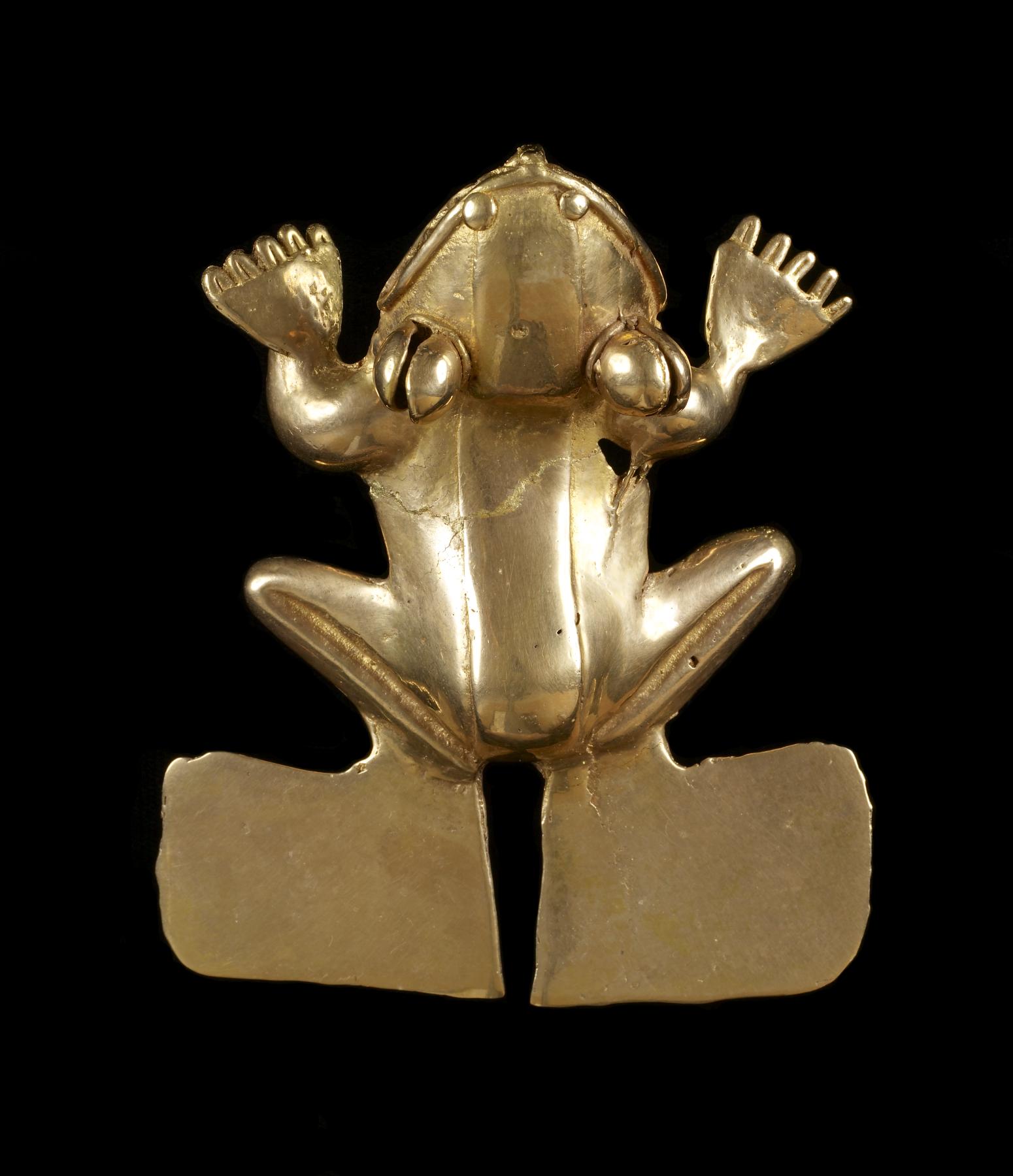
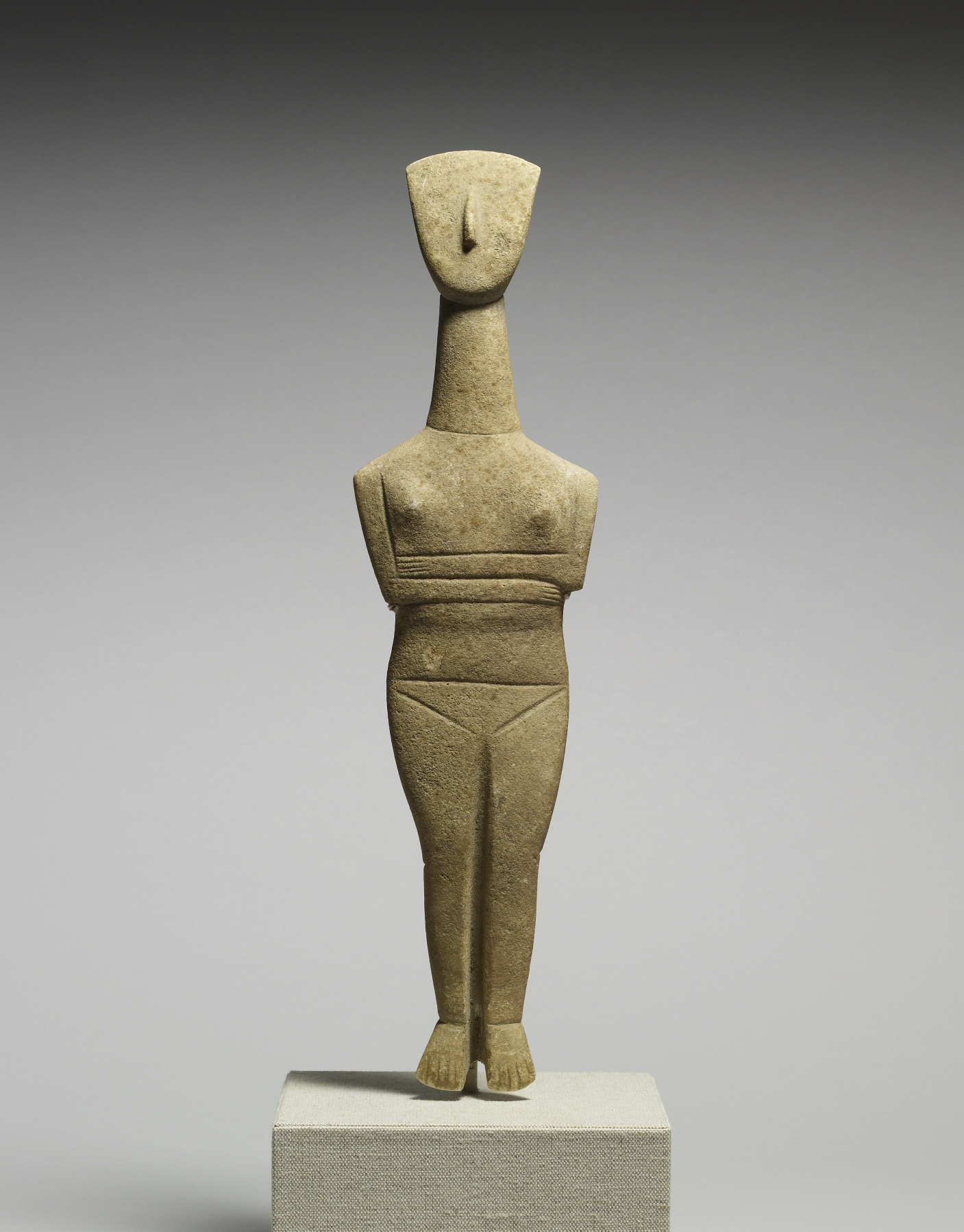
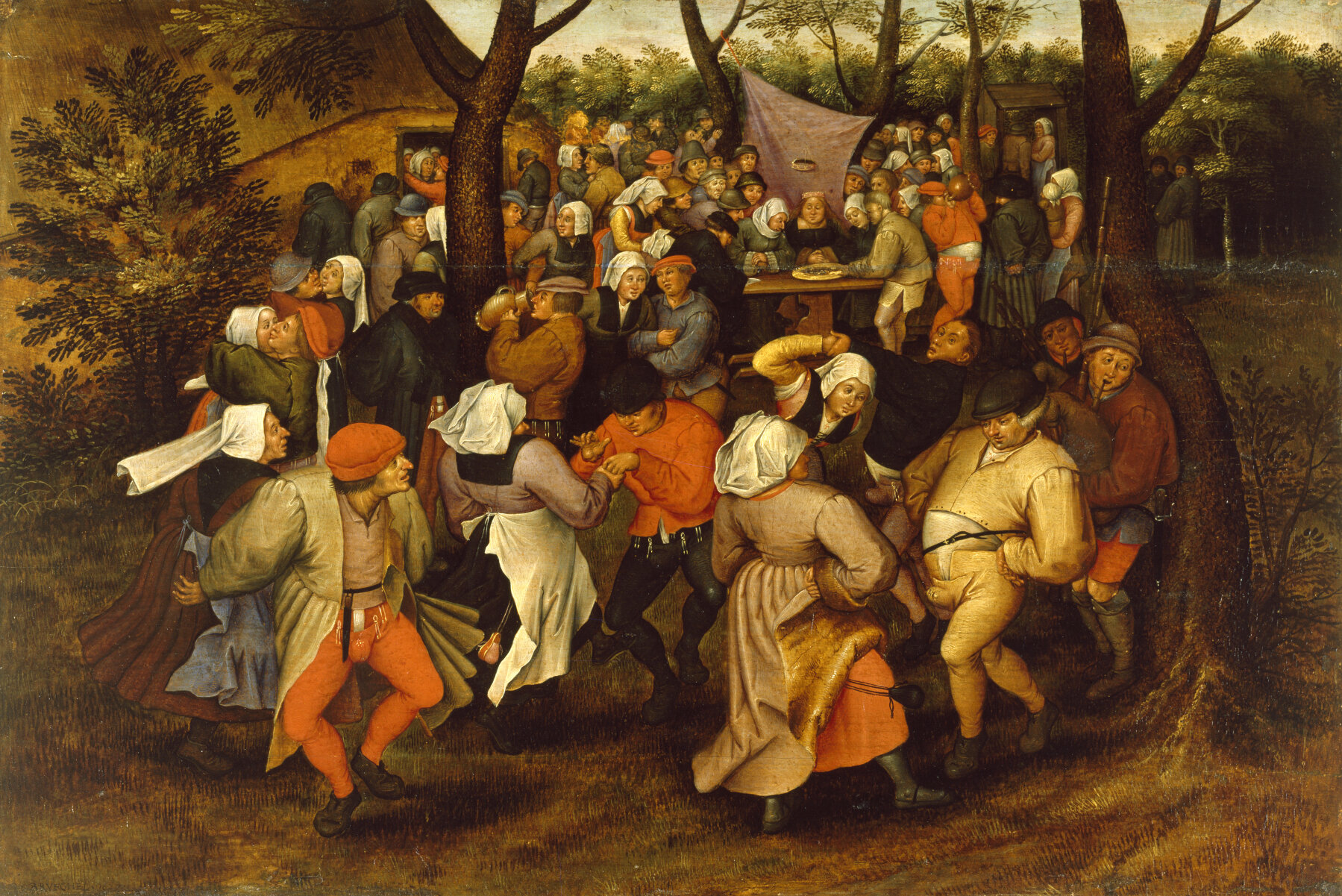
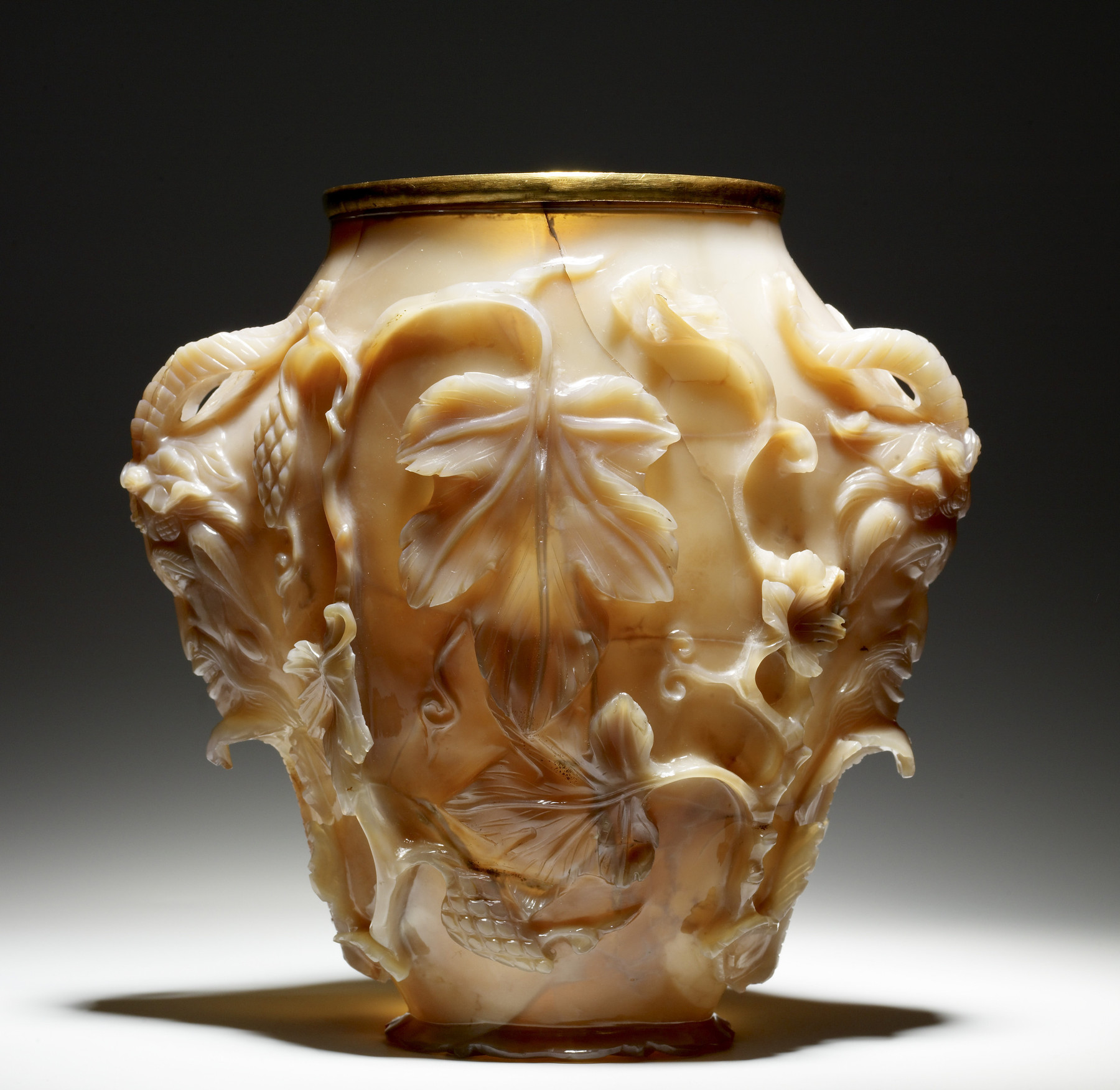
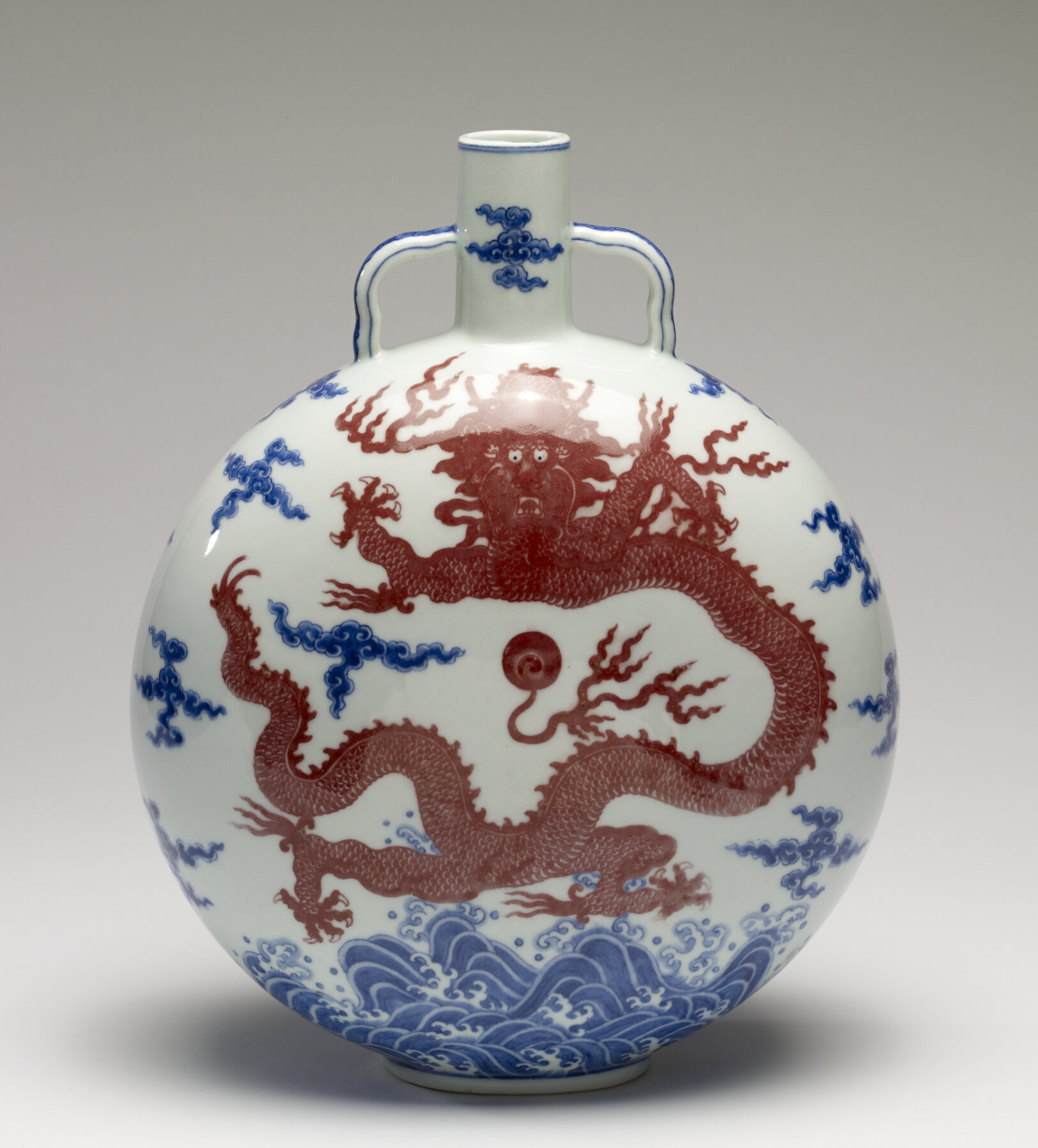
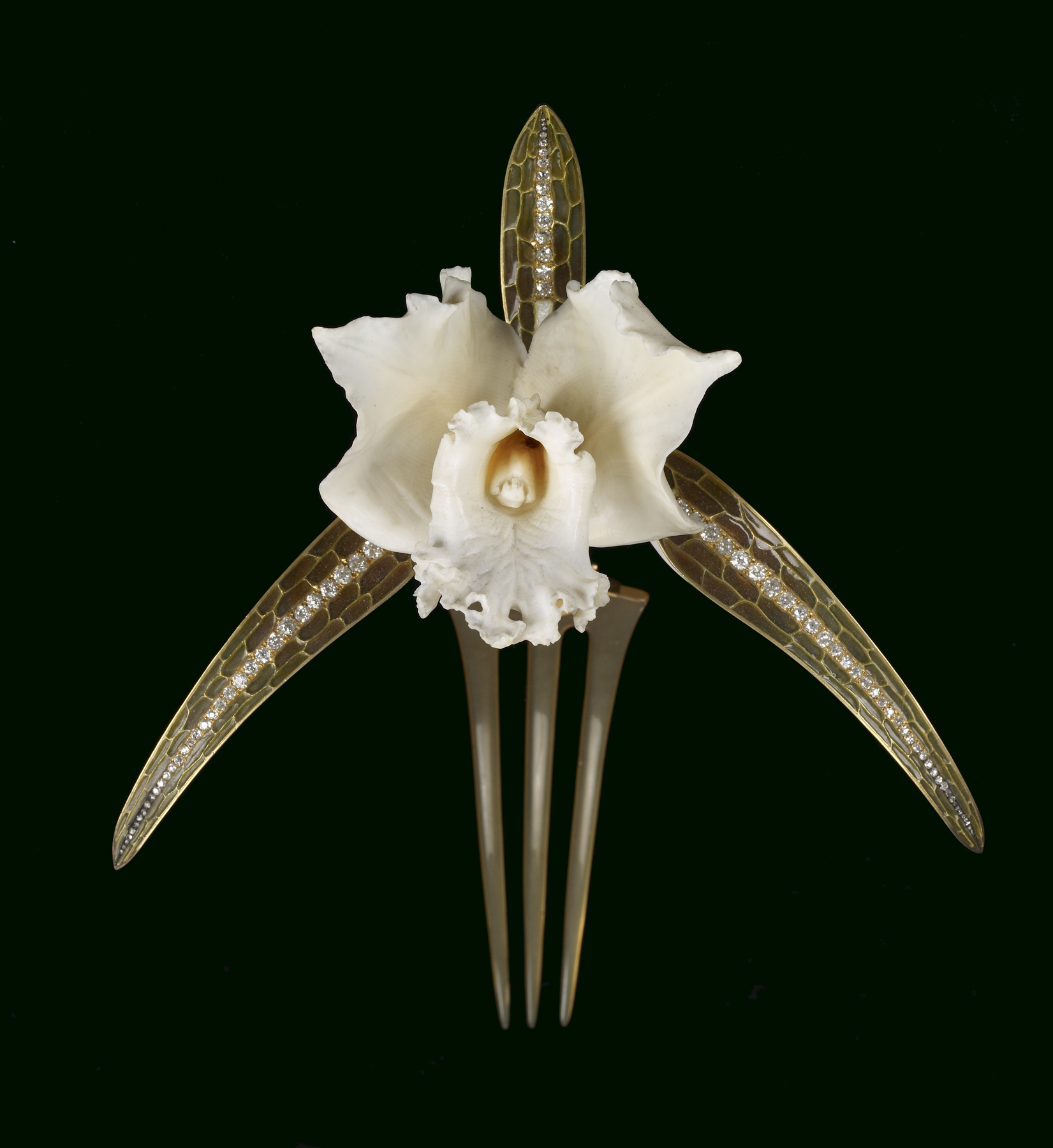
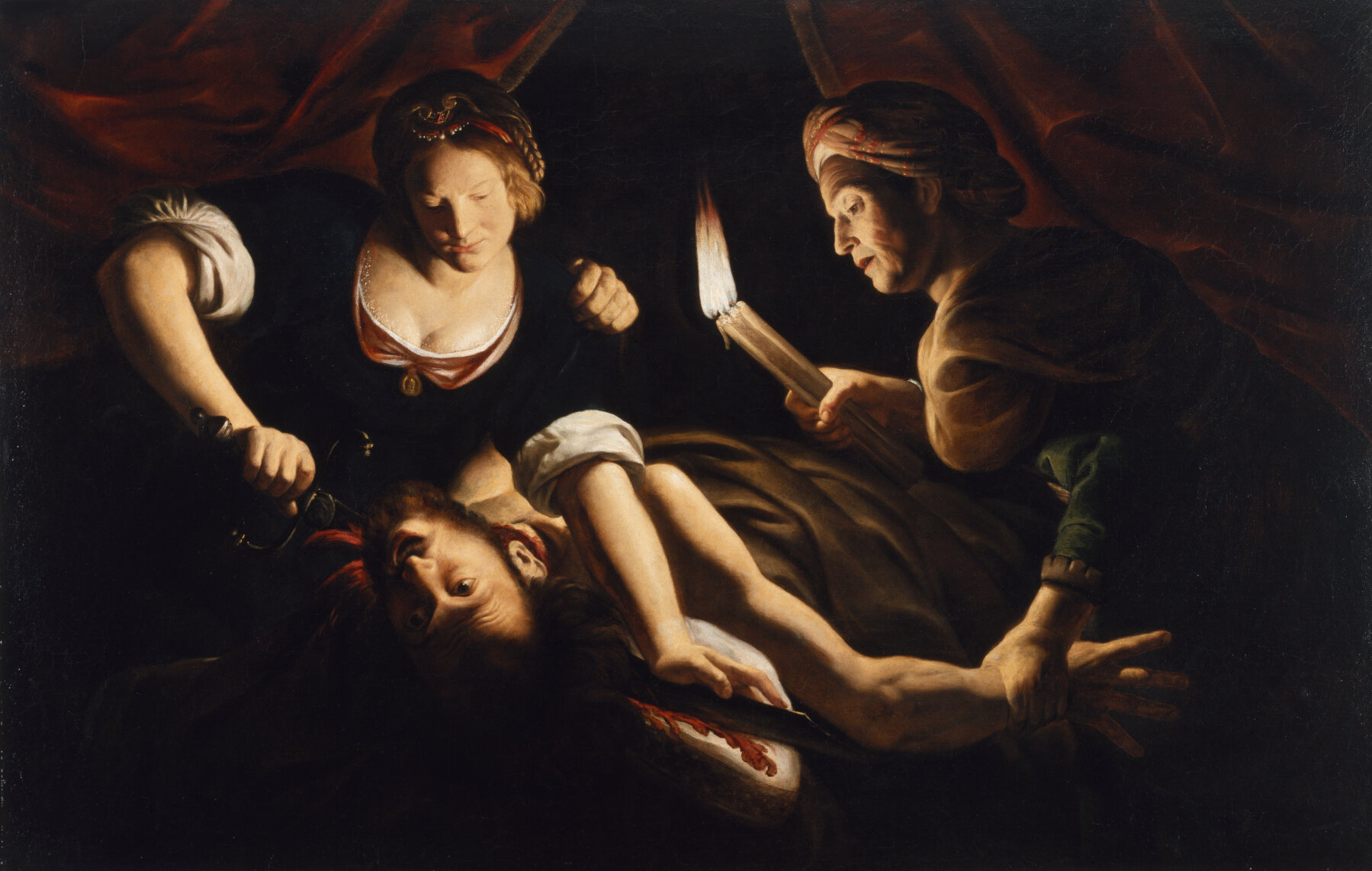
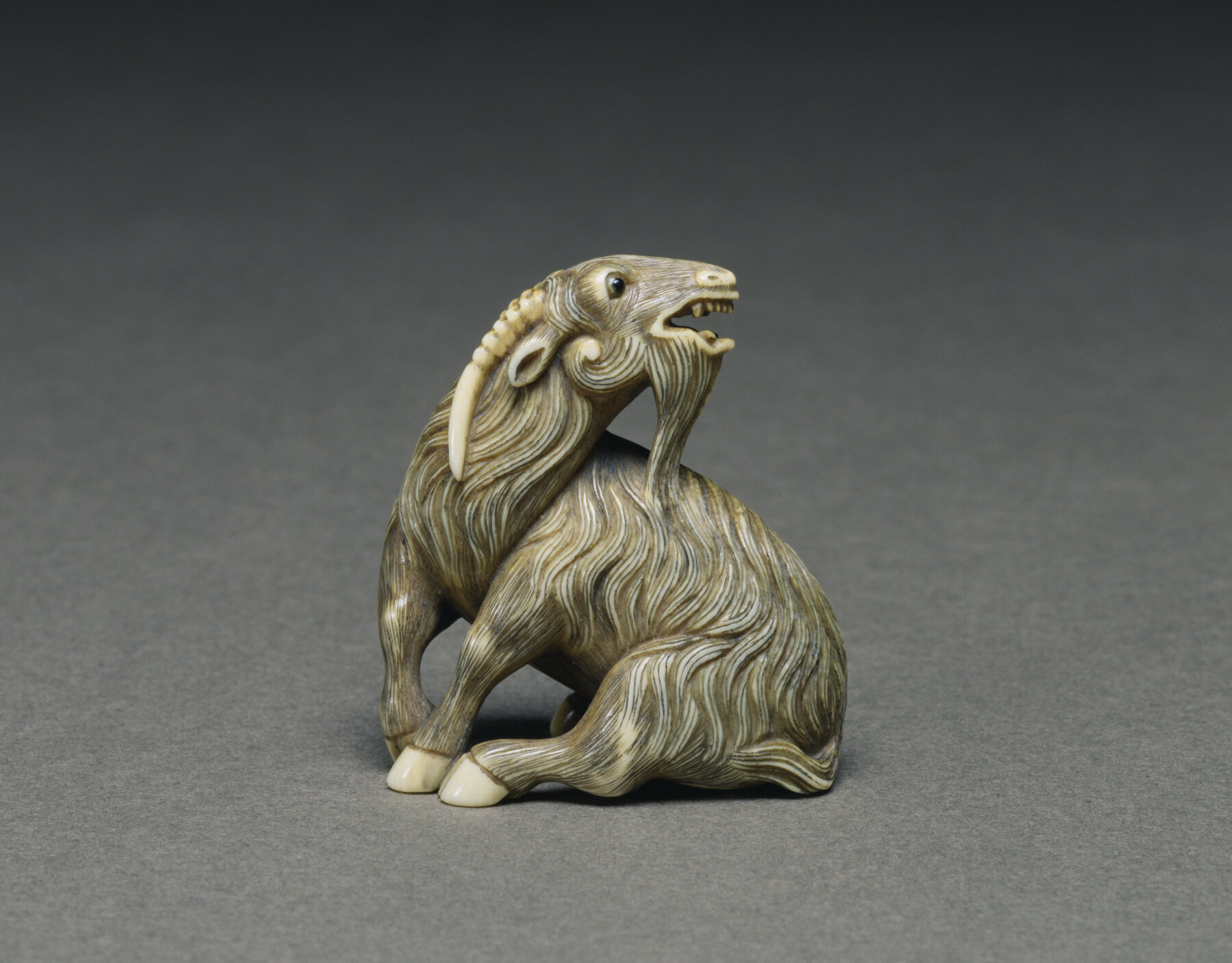
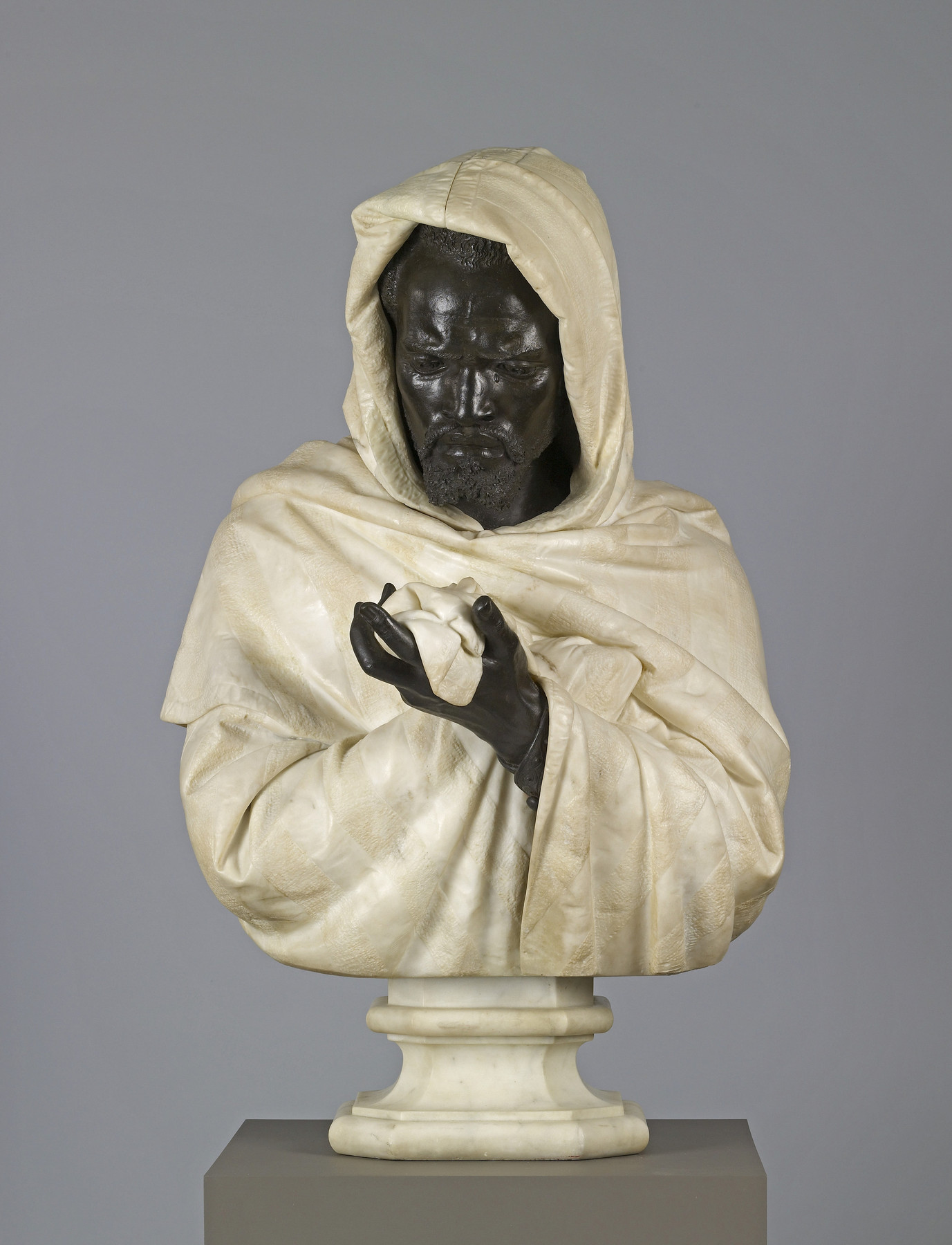
Research at the Walters is led by object-based investigations carried out through the lenses of art history, technical analysis, and pedagogy. The Walters strives to make this research relevant and accessible in our galleries and online through our open-access digital resources. We work to ensure that the presentation of our collections is informed by the diverse interests of our visitors and readers and is continuously assessed through evaluative studies.
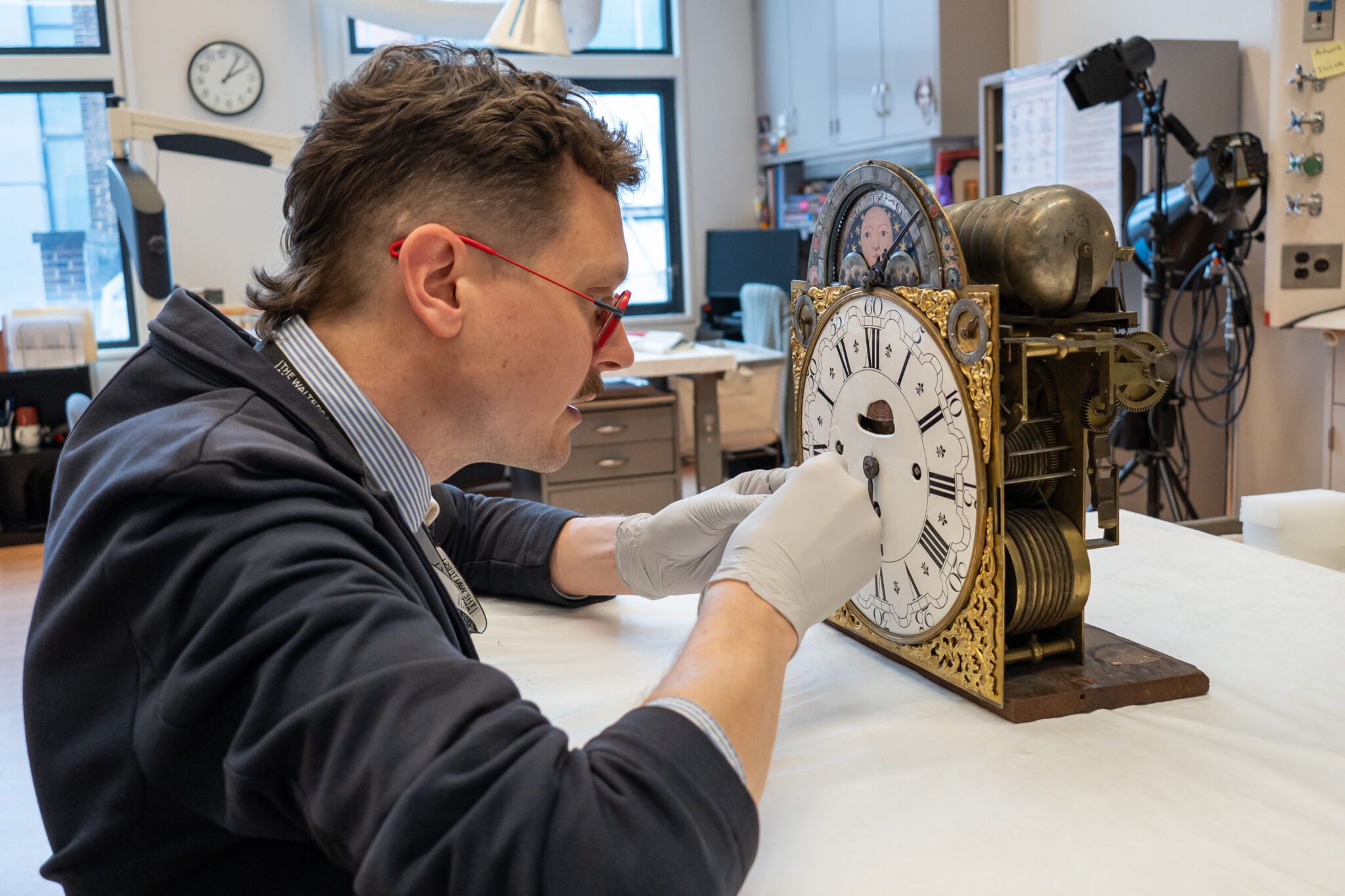
The Walters’ Conservation and Technical Research laboratory was founded in 1934 and is the third oldest of its kind in the country, reflecting the museum’s deep commitment to understanding and preserving artwork. Discover how our conservators and conservation scientist research, protect, and preserve the works in their care.
The Journal of the Walters Art Museum, first published starting in 1938 as The Journal of the Walters Art Gallery, is the oldest continuously published scholarly art museum journal in the United States.
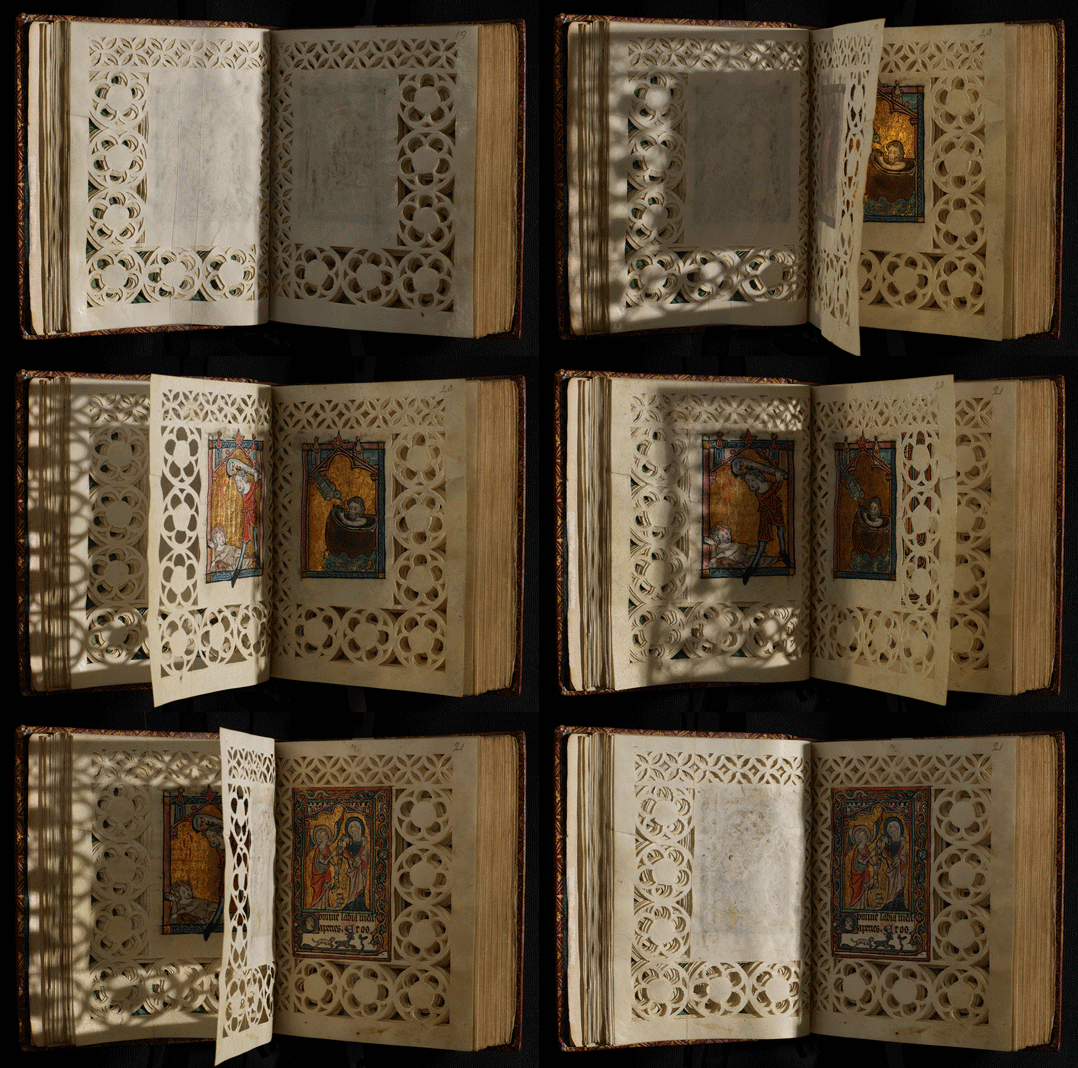
The Walters Art Museum houses a collection of nearly a thousand manuscripts from Europe, Byzantium, Armenia, South Asia, Ethiopia, and more. The Walters’ initiative to digitize its manuscripts is ongoing. More than half of this collection has been digitized to date and is available for you to view online.
The Walters’ publications team produces books that offer deeper connections to our collection and allow visitors to take home a piece of the museum. We produce a range of publications, including large-scale scholarly catalogues tied to exhibitions, such as Ethiopia at the Crossroads, and comprehensive guides, such as our handbook Excursions Through the Collection.
Some of our most recent publications are part of a series of small, beautifully designed books that invite readers to explore our collection in greater depth. This Collection Focus Series follows our curators and conservators as they research, reinstall, and reinterpret the Walters’ vast collection. Museum publications can be purchased at the Museum Store.
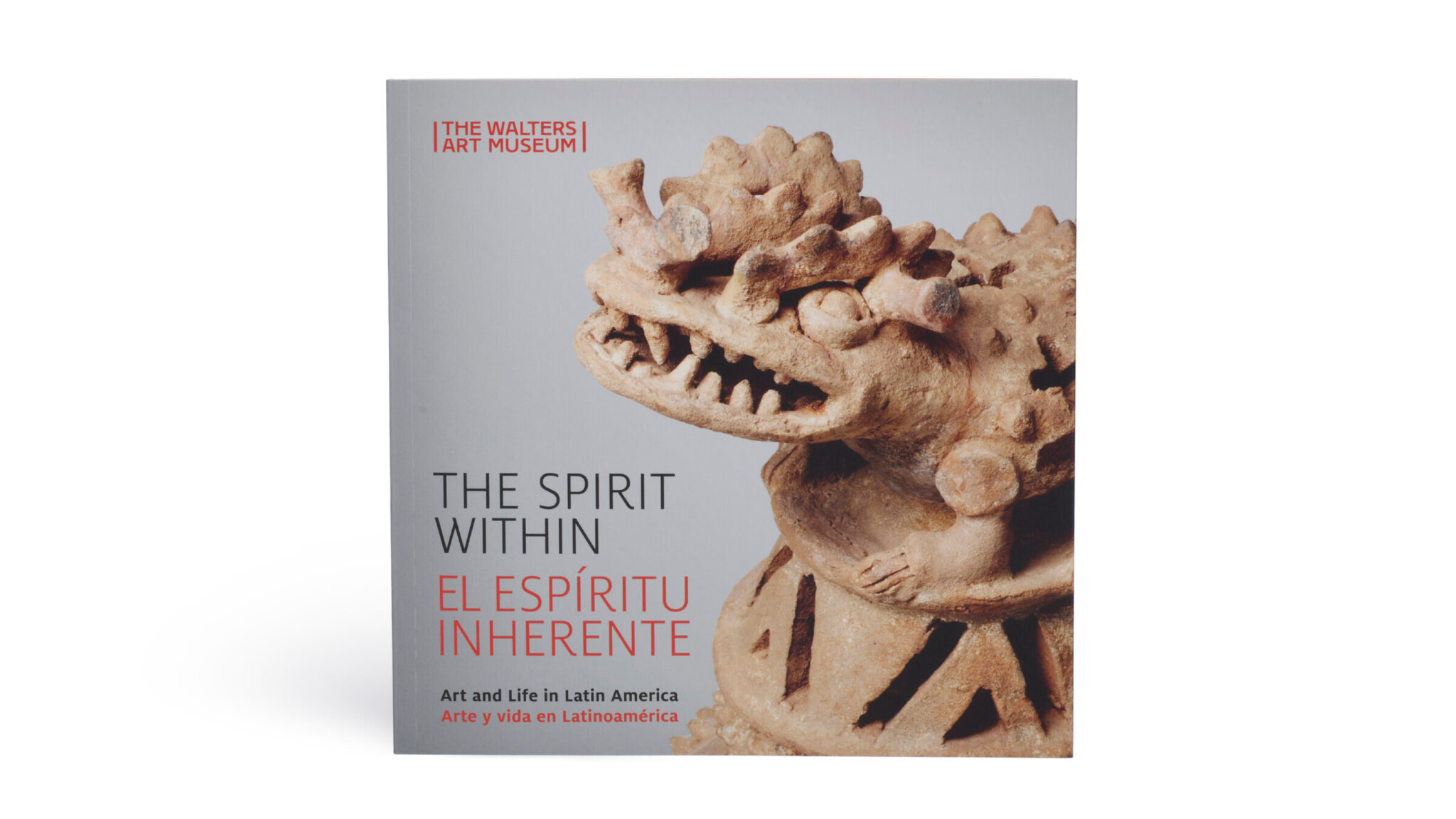
Ancient and modern craftspeople shaped jade, gold, feathers, and clay into exquisite artworks, but the meanings of those objects are intertwined with the living essence of the raw materials themselves. This volume examines how, for people in the Indigenous Americas, materials had and continue to have a life of their own.
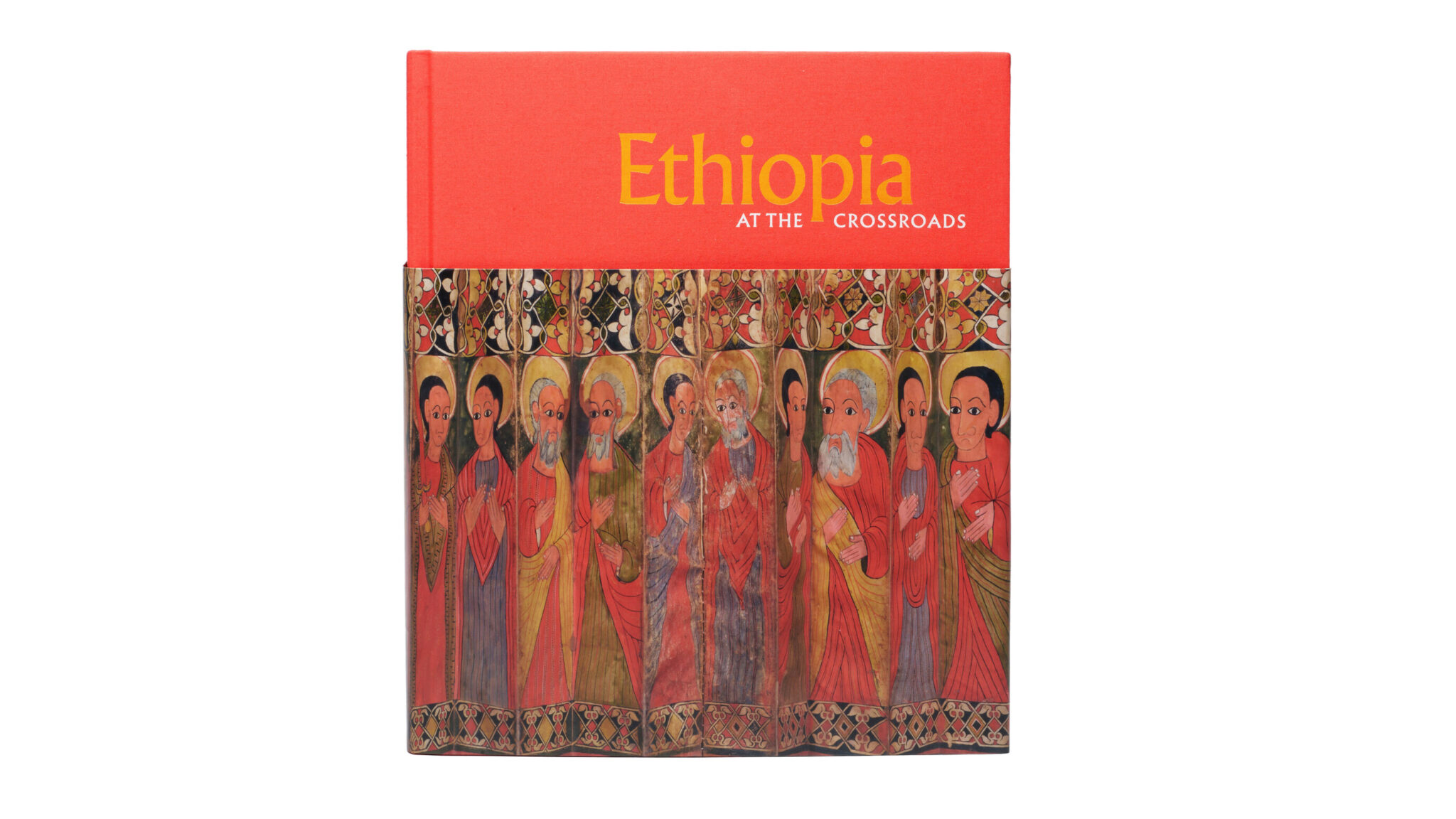
Seated in the Horn of Africa, Ethiopia is at an intersection of diverse cultures, religions, and climates. This captivating book celebrates the artistic traditions of Ethiopia from their origins to the present day, spanning over 1,700 years of history.
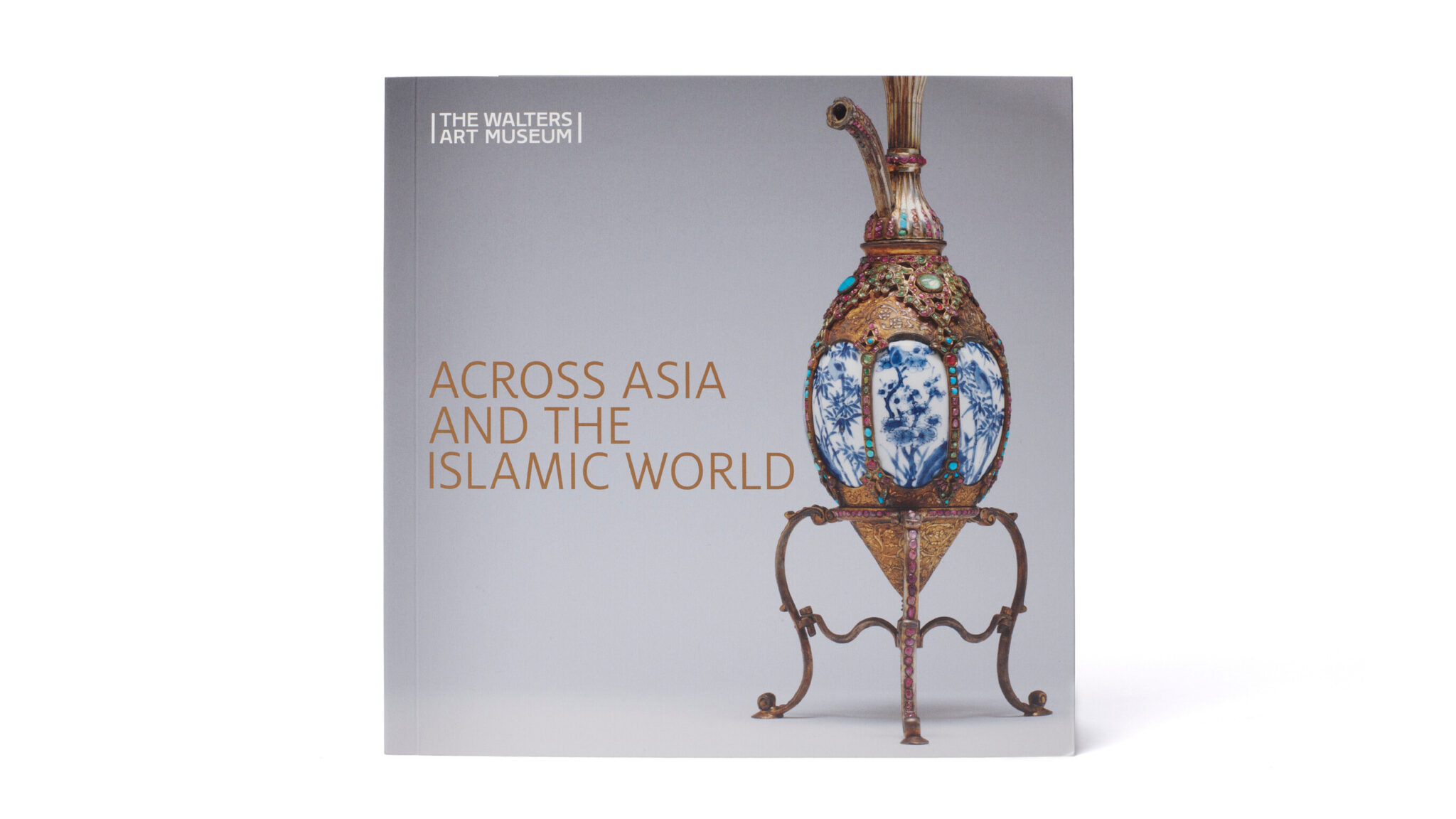
The Walters collection features a stunning array of objects, from sumptuous Qur’ans and captivating Hindu and Buddhist sculptures, to evocative ink paintings and artfully crafted ceramics and metalworks. This volume illuminates how mobility has long enriched art in manifold ways and highlights the strengths, variety, and sheer wonder of the Walters Art Museum’s unique Asian and Islamic collections
The Walters Art Museum mentors future leaders in the museum field and offers paid research, internship, and fellowship opportunities, which are critical to the realization of our institutional mission. Internships and fellowships that are open for application will be listed on our Careers page when available.
The history of ownership, or provenance, of some objects is clear cut; however, others have histories that are complex or less known. Many passed through numerous hands over time. Sometimes there are gaps in information that are not possible to resolve. As we look at proposed new acquisitions and our existing collections, we are mindful of how colonialism, confiscation, forced sale, looting, and theft may have impacted an object. It is the work of museum curators and other staff to research and try to fill in those gaps in an object’s provenance. We aim to share each artwork’s history based on available documentation to better understand possible legal and ethical issues. For many objects, this research takes time and can continue over several years.
Consistent with our mission to be a place that strengthens our community by preserving, presenting, and interpreting art, the Walters does so in accordance with currently accepted legal standards and best practices in the art museum field. As ethical standards evolve, the museum attempts to align its collection policies with both currently accepted museum standards and the standards of our community. Whenever possible, the Walters shares online the provenance of an object in the collection to make known its ownership history. If you have information related to the ownership histories of specific objects in the Walters collection, please contact us at [email protected]. If you have questions about provenance, contact us at [email protected].