Conservation and Technical Research

The Conservation and Technical Research laboratory at the Walters Art Museum is the third oldest of its kind in the country, reflecting the museum’s deep commitment to understanding and preserving art.

Conservators and a conservation scientist care for a wide range of artworks, combining expert knowledge of materials and methods with scientific analysis to learn more about the people who created the artwork in their care, as well as the changes that have taken place over time as a result of environmental and human impact.

Conservation professionals prepare artworks for exhibition and loan, assess new acquisitions, study materials and techniques, and seek to prevent future deterioration. Guided by the Code of Ethics of the American Institute for Conservation and working closely with curators and collections staff, the team ensures every object is displayed, stored, and handled with the highest standards of care.

Conservation professionals strive to advance the museum’s mission to bring art and people together for enjoyment, discovery, and learning. The team prioritizes public engagement and invites the community to learn more about the stories and science behind the art by sharing their work through lectures, exhibitions, publications, educational outreach programs, and the Conservation Window.
Books and Paper

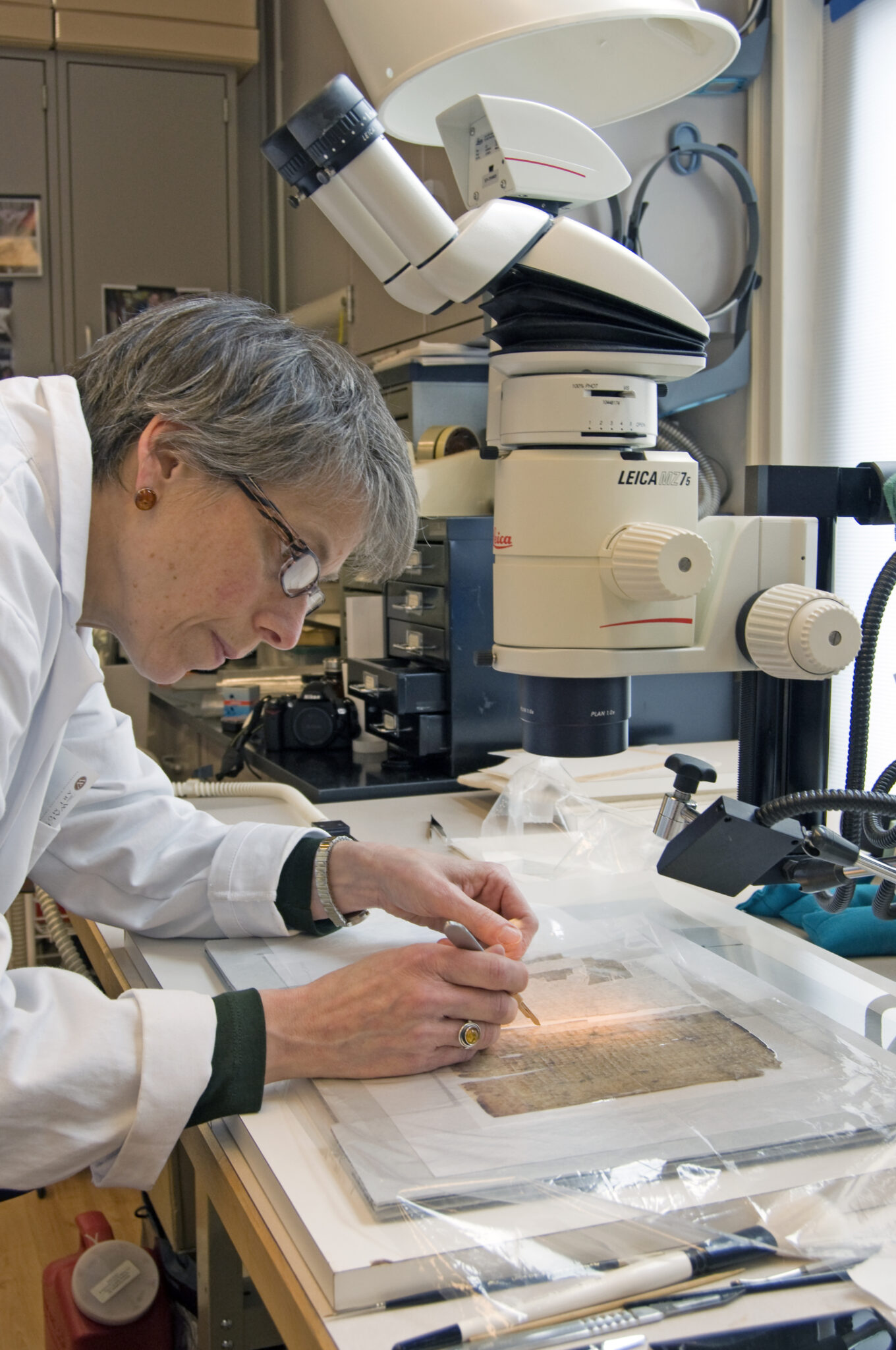
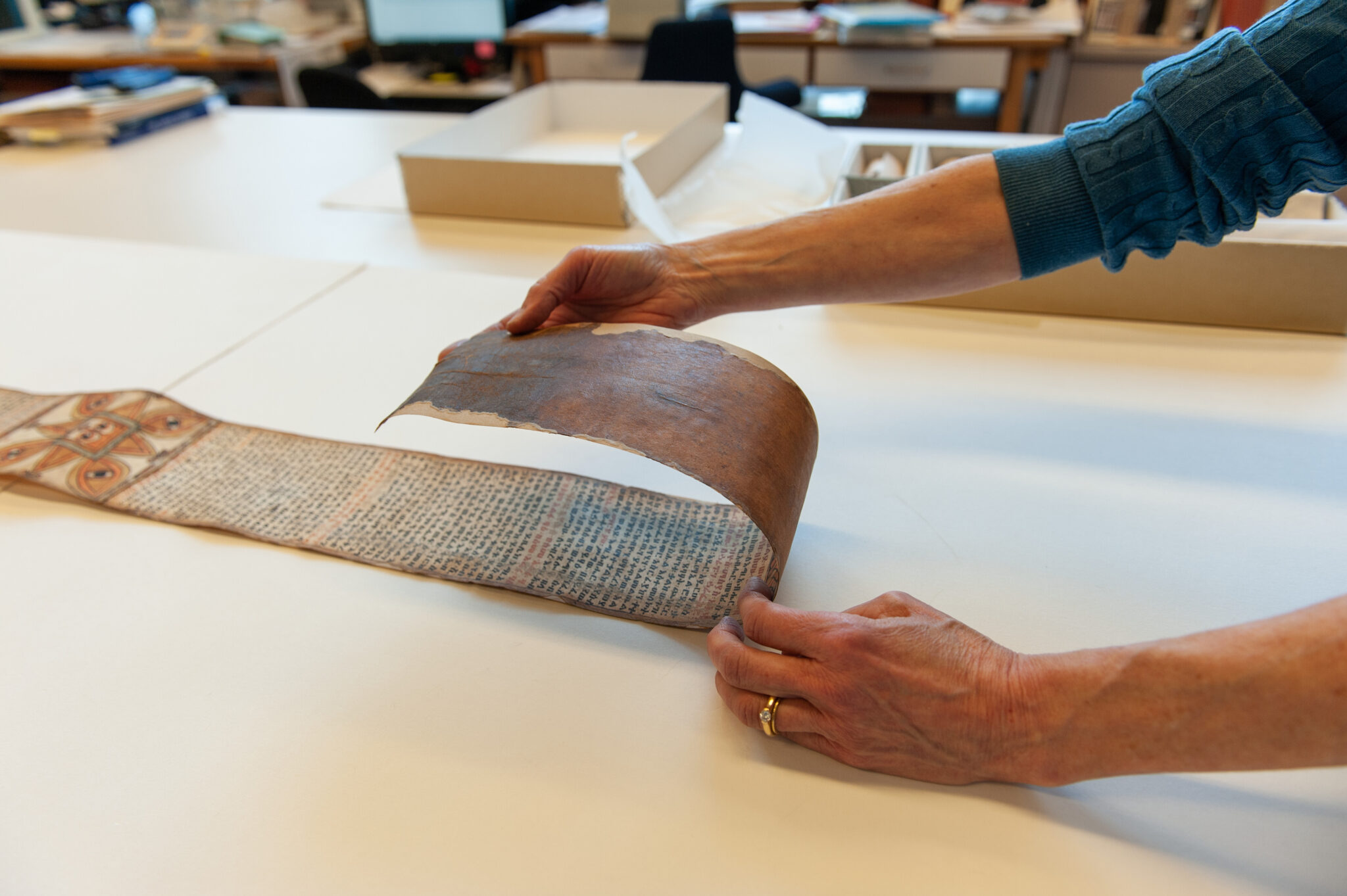
The Book and Paper lab is dedicated to the preservation, technical analysis, and study of the museum’s internationally renowned collection of illuminated manuscripts, rare books, prints, drawings, and other works on paper. This includes artwork from a broad range of cultures, time periods, and artistic traditions.

Objects

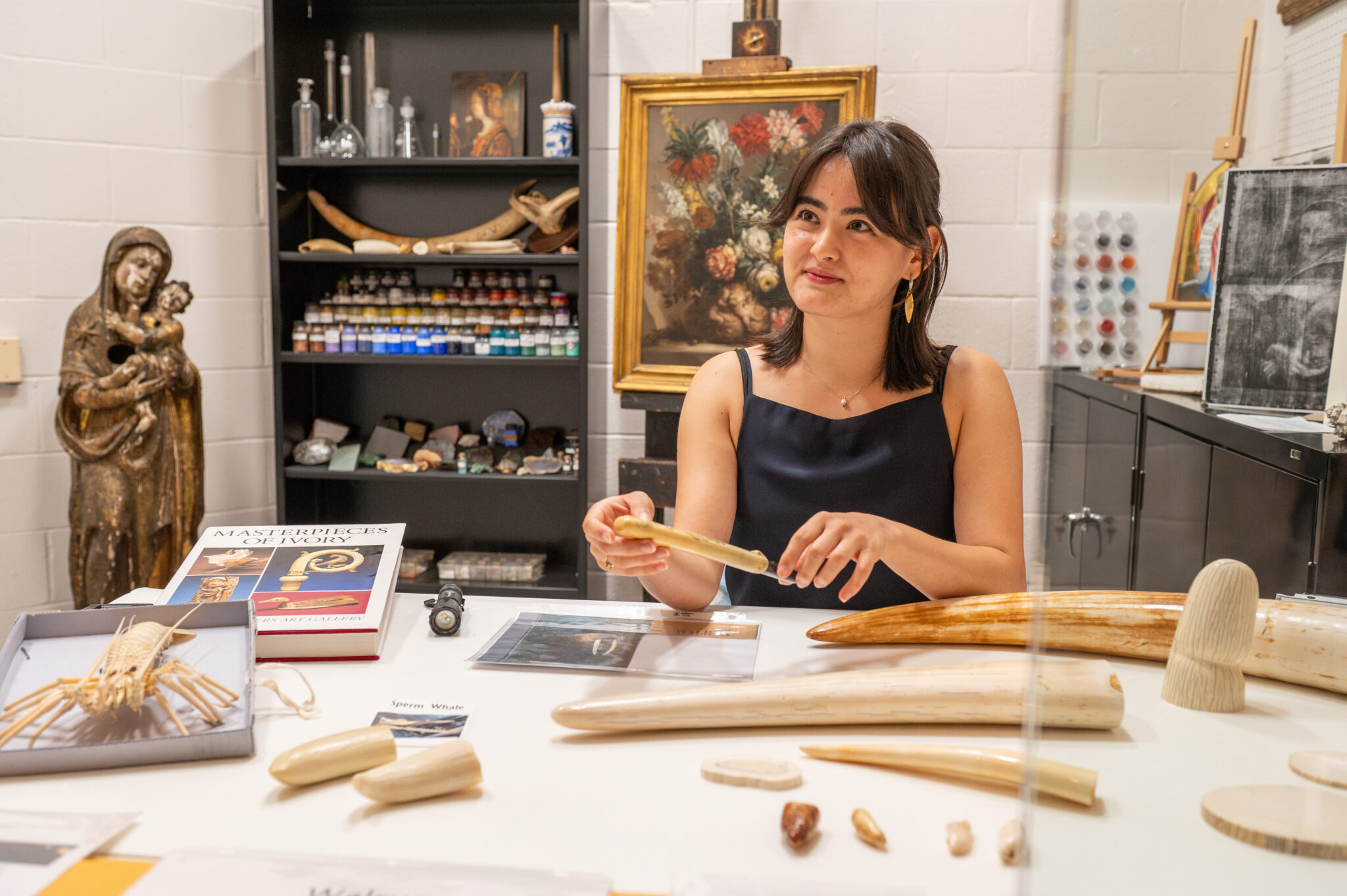
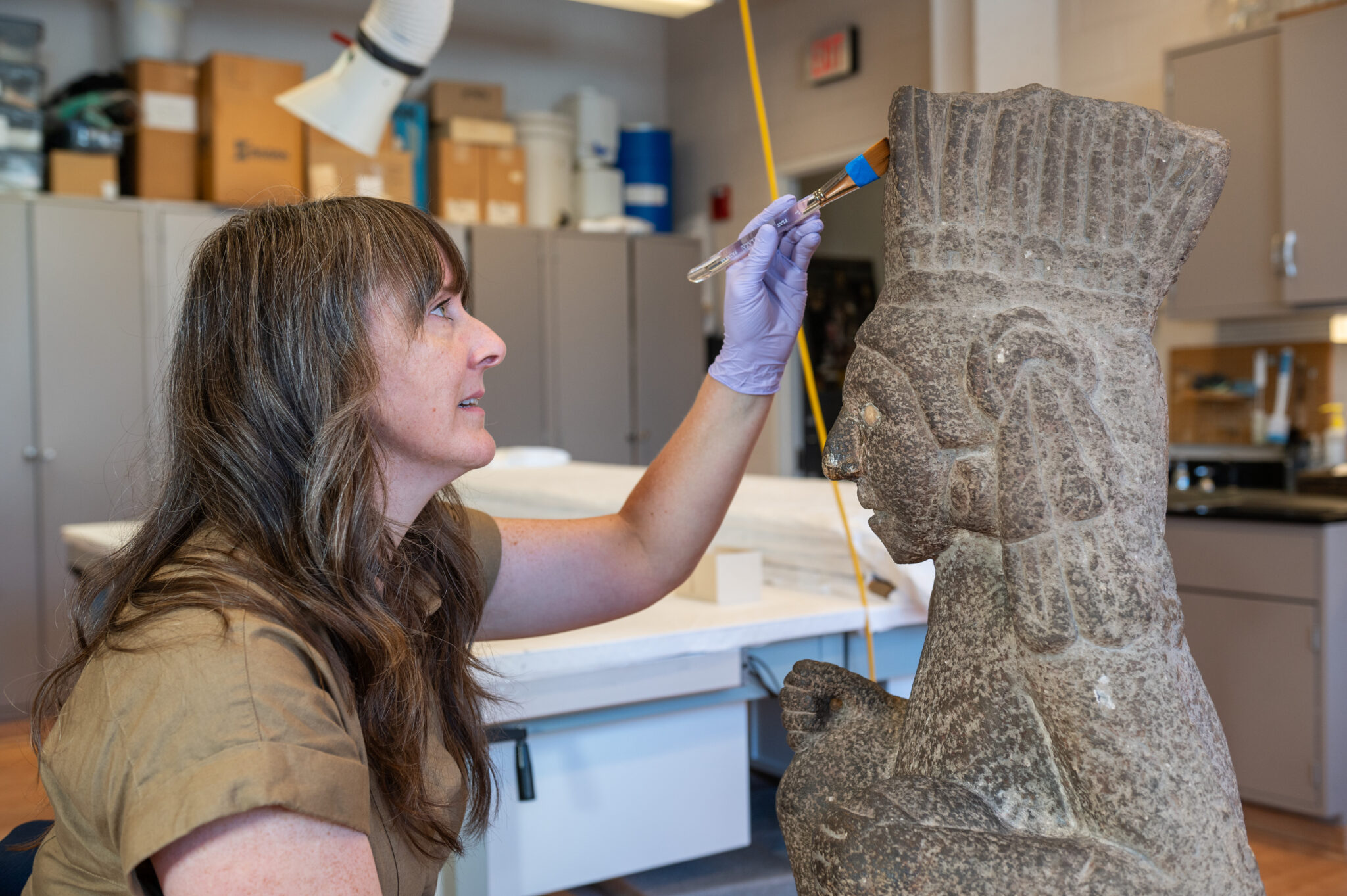
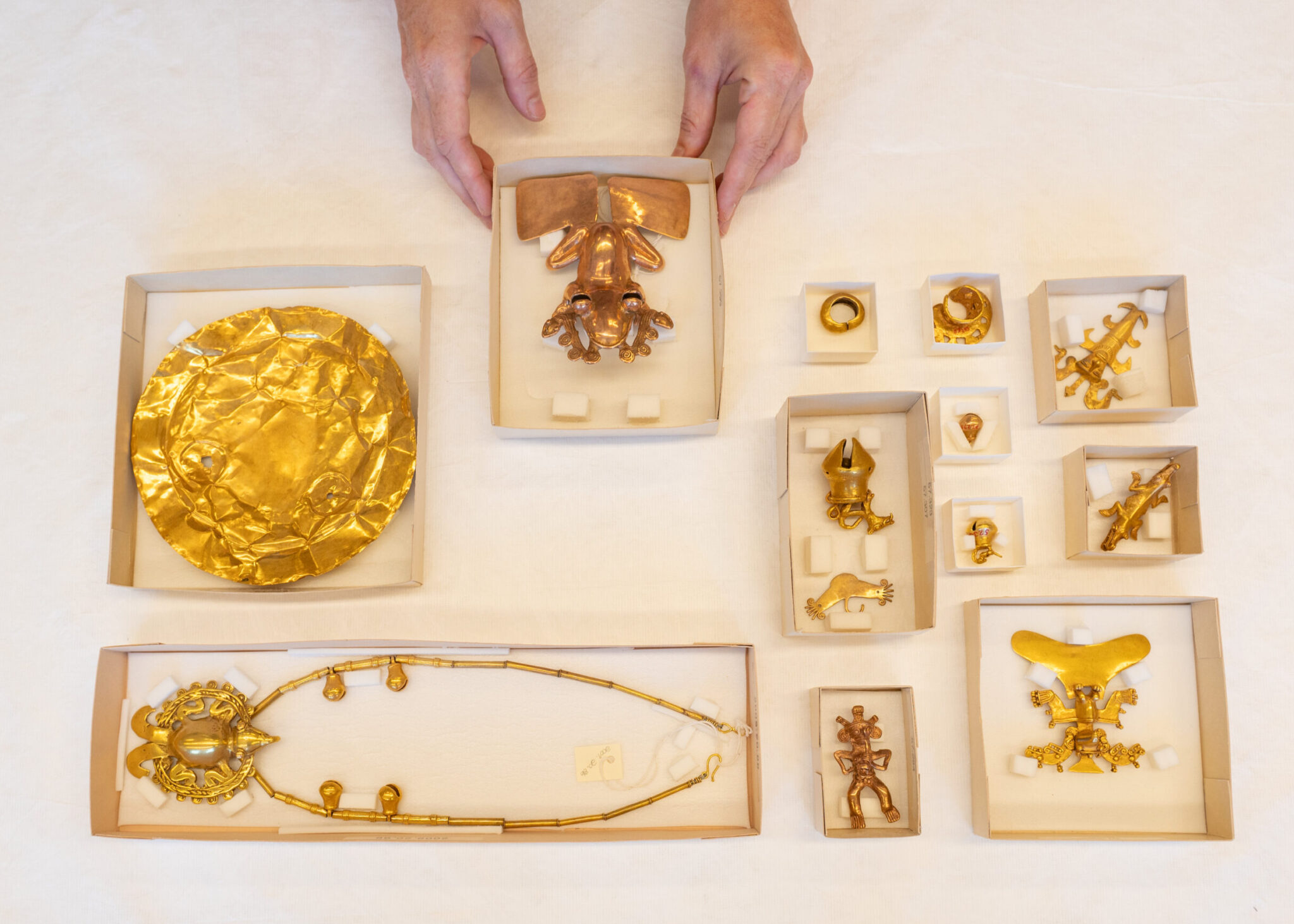
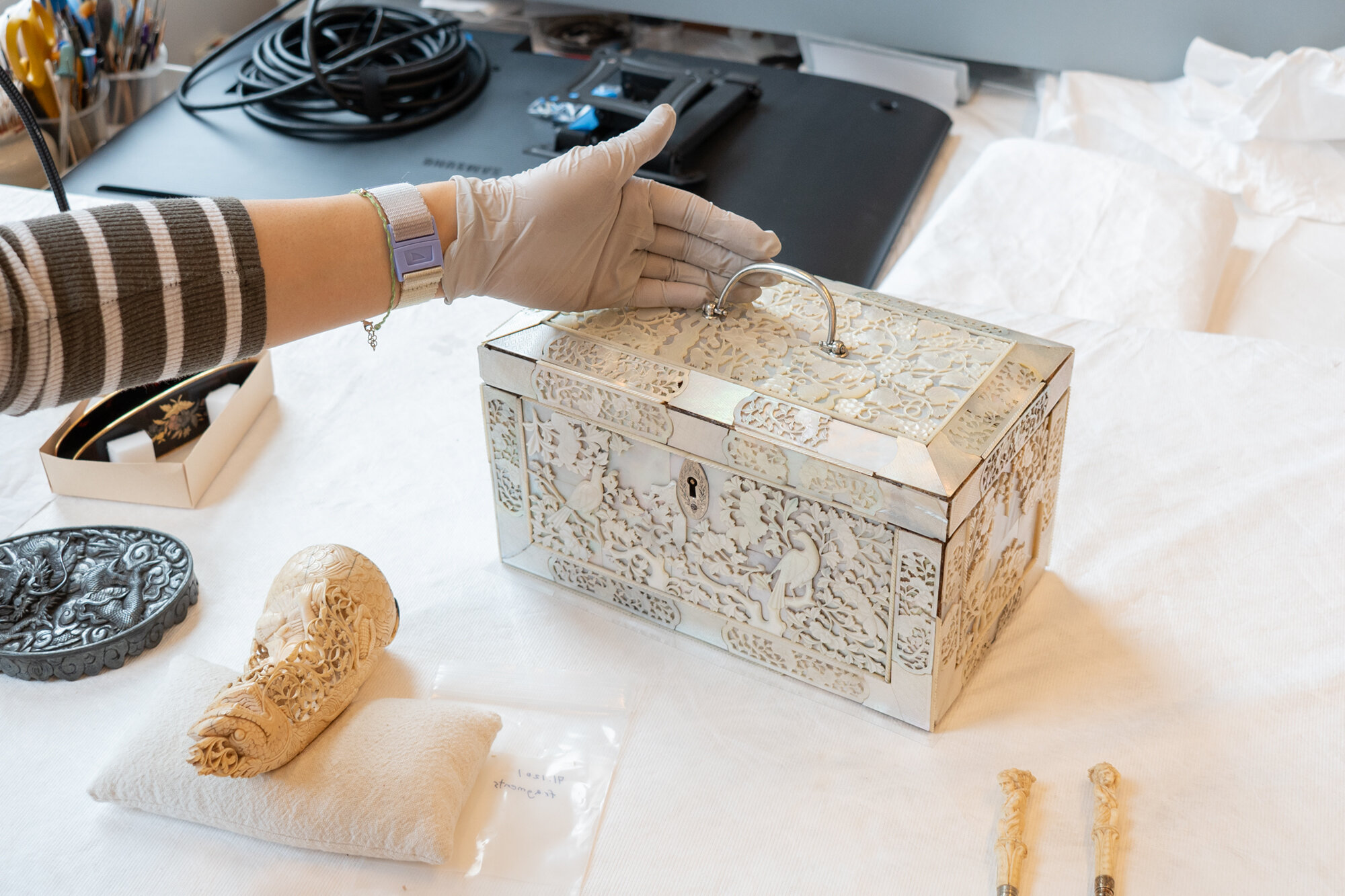
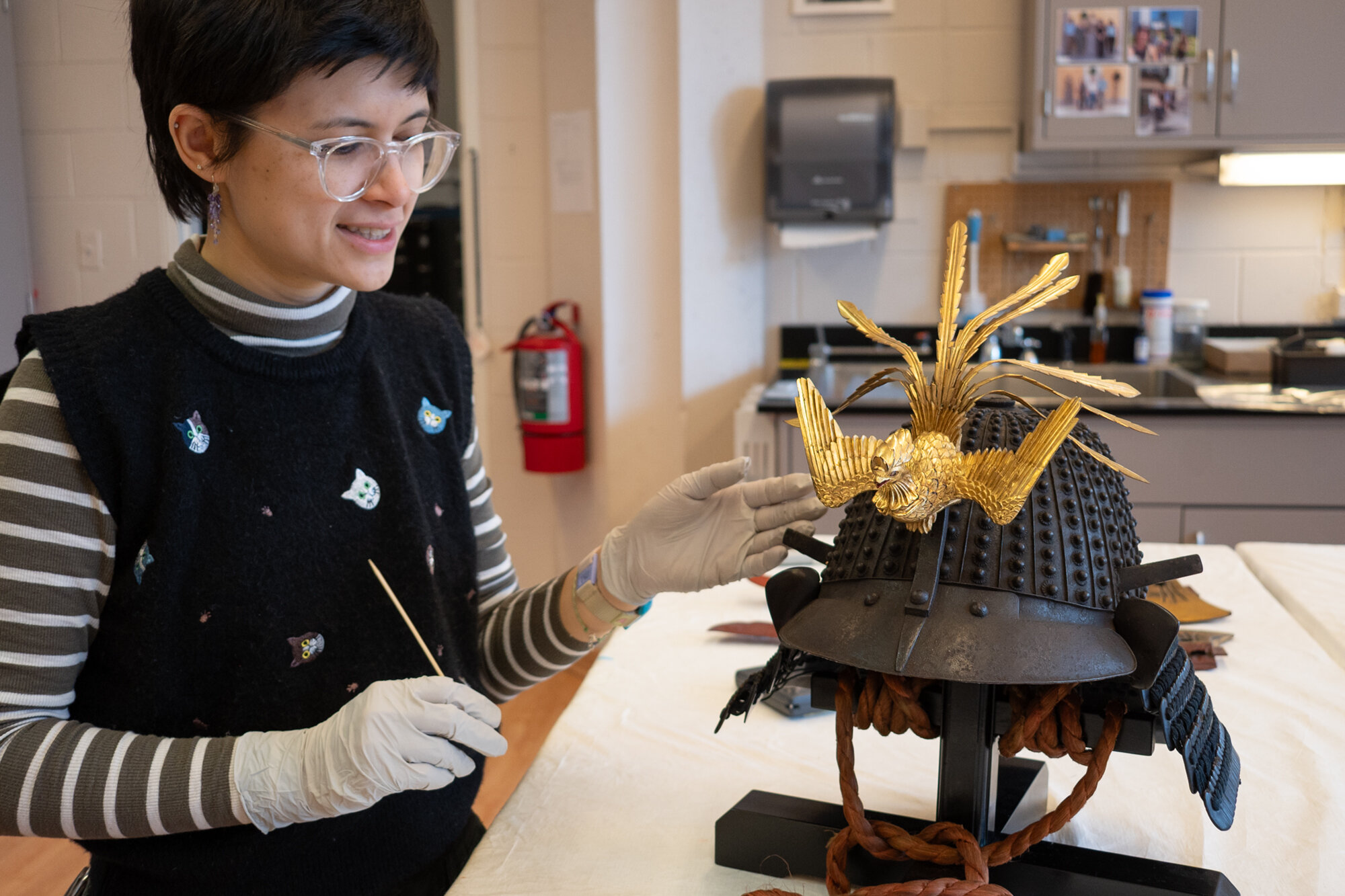
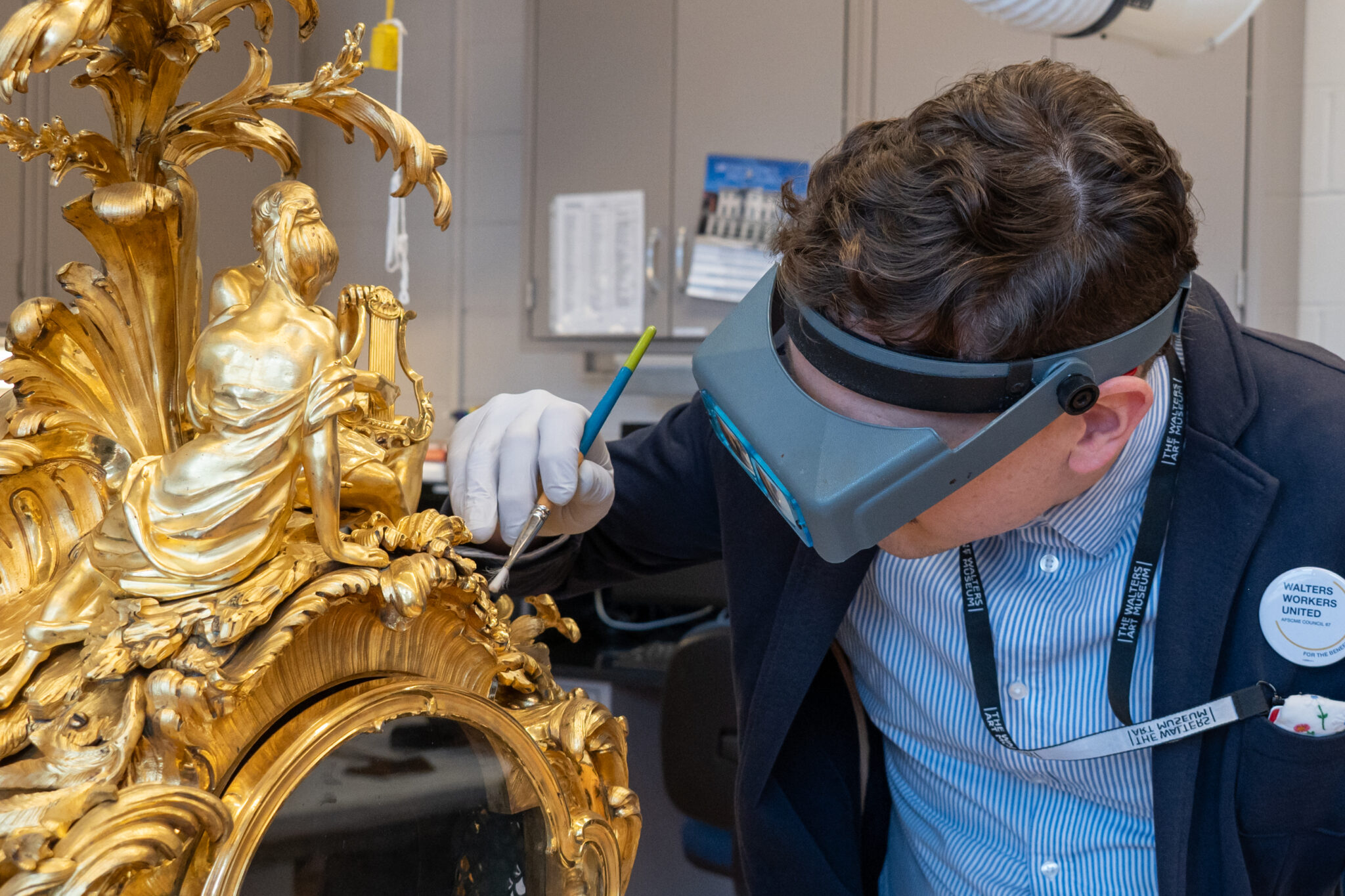
The Objects lab is dedicated to the preservation, treatment, technical analysis, and study of the museum’s wide-ranging collection of three-dimensional objects, featuring an emphasis on ivory, ceramics, enamel, and metalwork across the museum’s collection.

Paintings

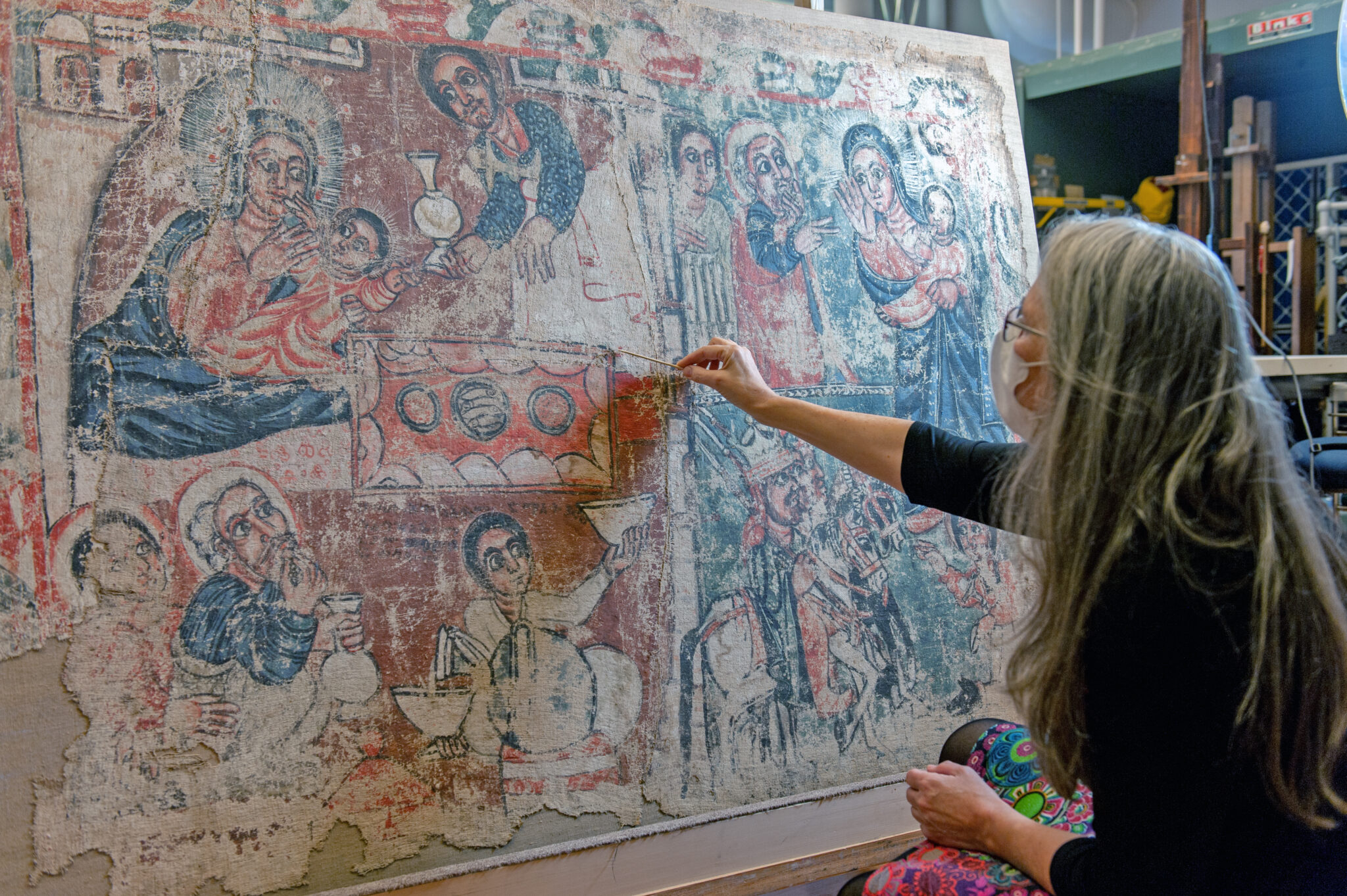
The Paintings Lab is dedicated to the preservation, analysis, and study of paintings spanning five continents and including works from Roman-era mummy portraits, icons, altarpieces, and easel paintings to Eastern banner paintings, Thangkas, and 21st-century art. Working with a wide range of media and supports, the lab has particular skill in treating wooden panel paintings and large-scale banner works.

Preventive Conservation

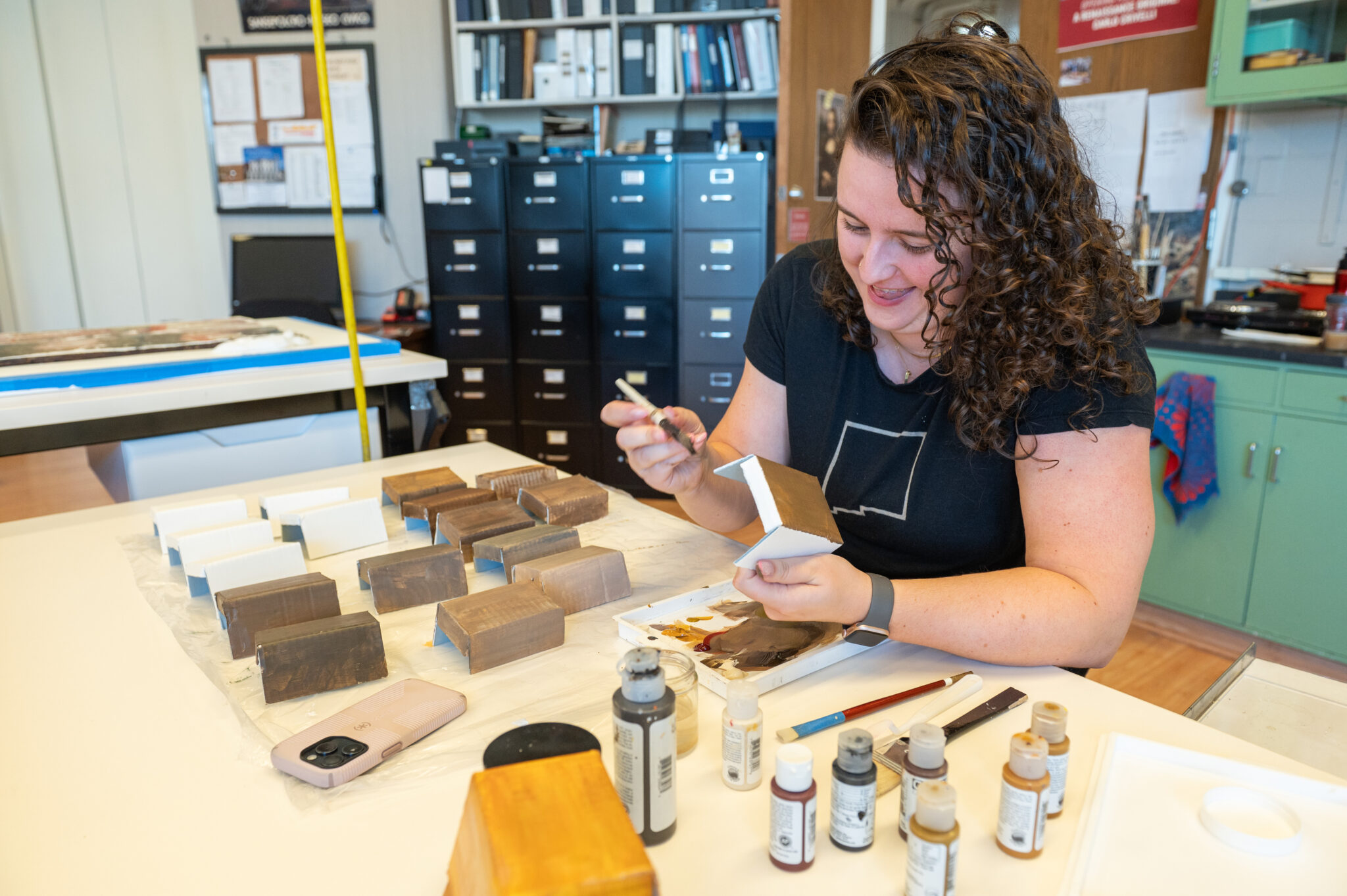
Preventive Conservation is dedicated to the long-term preservation of the collection through environmental monitoring, integrated pest management, materials testing, and microclimate maintenance. Working alongside colleagues from conservation, collections management, installation, exhibitions, and operations teams, the lab aims to provide access to the collection while mitigating risk.

Conservation Science

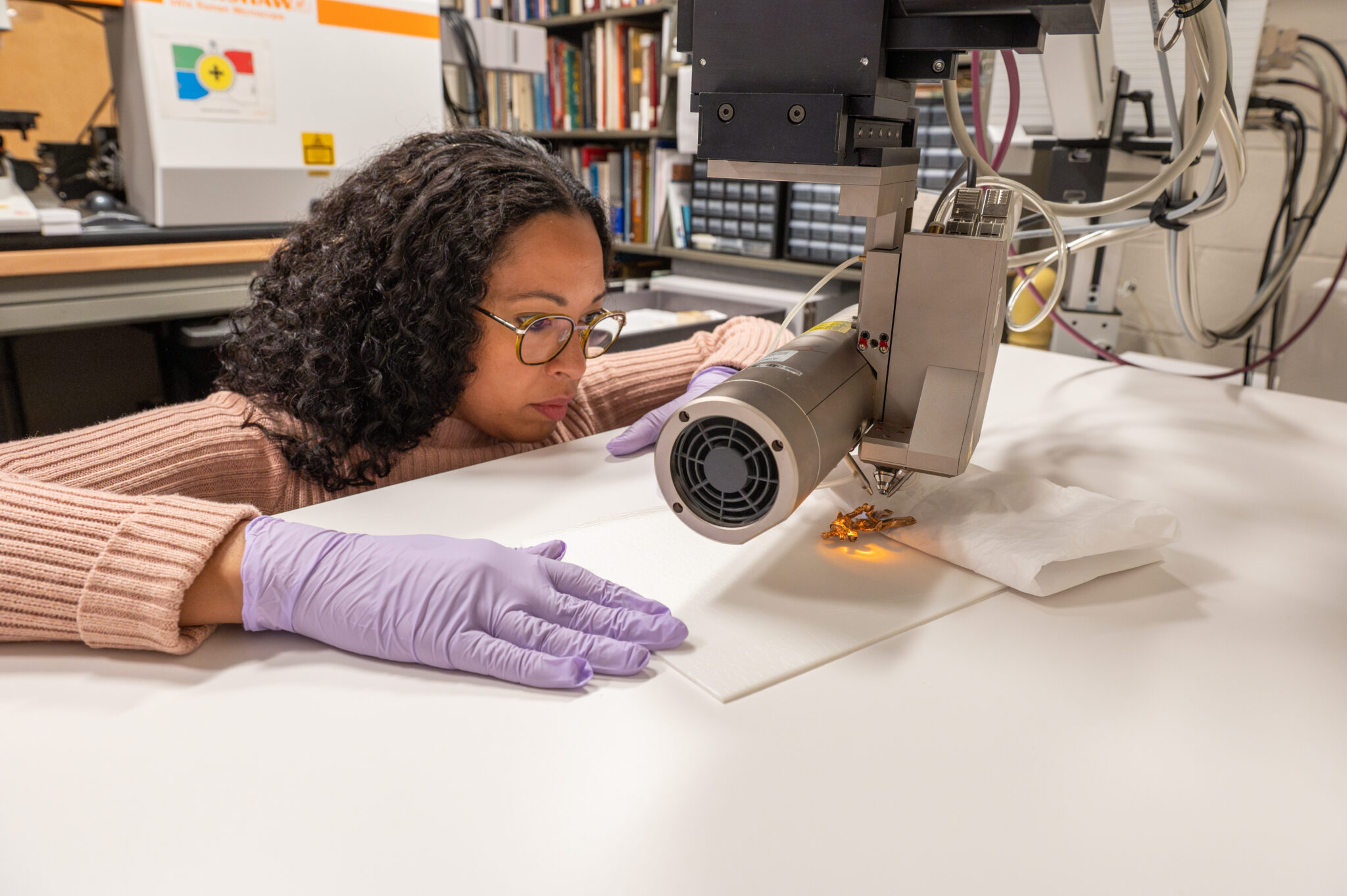
Conservation Science is dedicated to in-depth research and analysis contributing to the preservation and understanding of the collection, while pursuing innovative research. Focused on both non-invasive and micro-invasive analysis, the lab is equipped with a hyperspectral camera and Raman, fiber optic reflectance, and x-ray fluorescence spectroscopies.

History of Conservation and Technical Research at the Walters

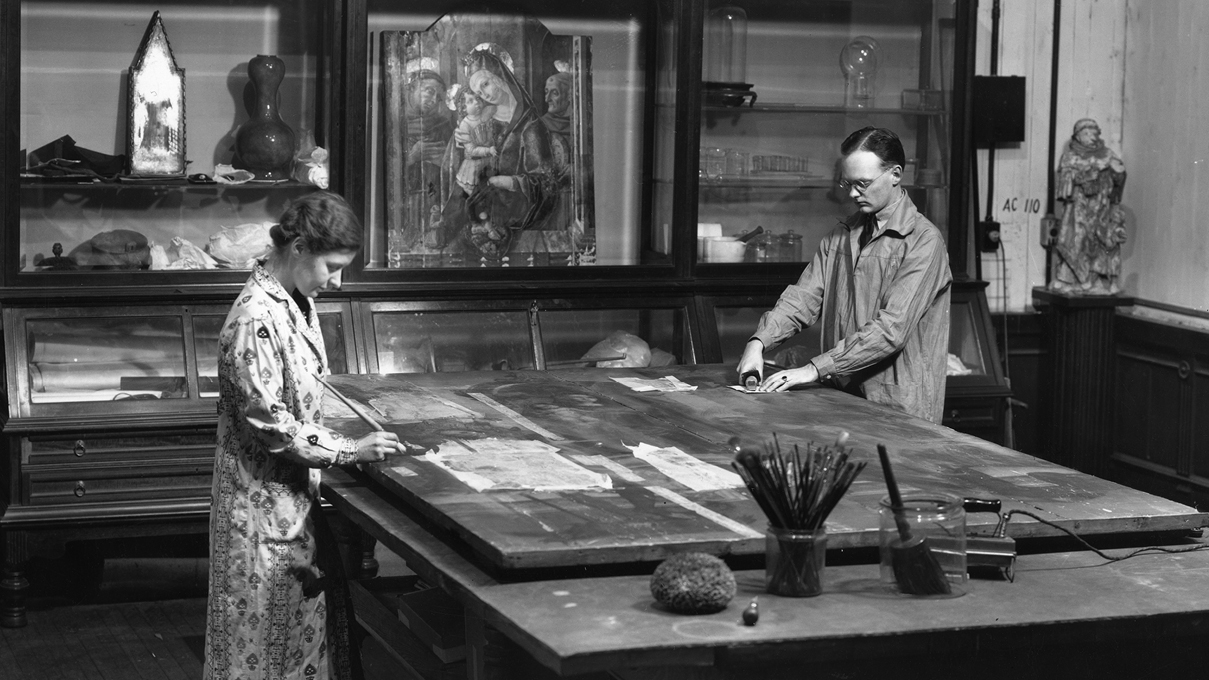
When the Walters Art Museum was founded in 1934, museum trustees hired a scientist, Dr. Harold Ellsworth, and a paintings restorer, David Rosen, to undertake the preservation and study of the Walters’ diverse collection. The lab made important early contributions to the field through pioneering work in the treatment of insect-damaged panel paintings and polychrome sculpture, corroded archaeological bronzes, and unstable enamels.

Elizabeth Packard, Rosen’s apprentice from 1937, succeeded him as head of the department in 1954. Highly regarded for her ethics, skills, and emphasis on documentation, she set standards for the conservation profession and trained generations of early conservators before retiring in 1977. Strong leadership in the field has continued to shape the evolution of Conservation and Technical Research at the Walters, with a commitment to excellence in research, treatment, training, outreach, and sustainable practice for preservation of the collections.

Training

Walters conservators and scientists have actively trained aspiring conservation professionals since the late 1960s, hosting several hundred interns and fellows. Conservation fellowships and internships provide vital training and research opportunities for students and scholars at various levels, as well as the chance to engage with Walters Art Museum staff and utilize the museum’s rich resources.

Conservation Window

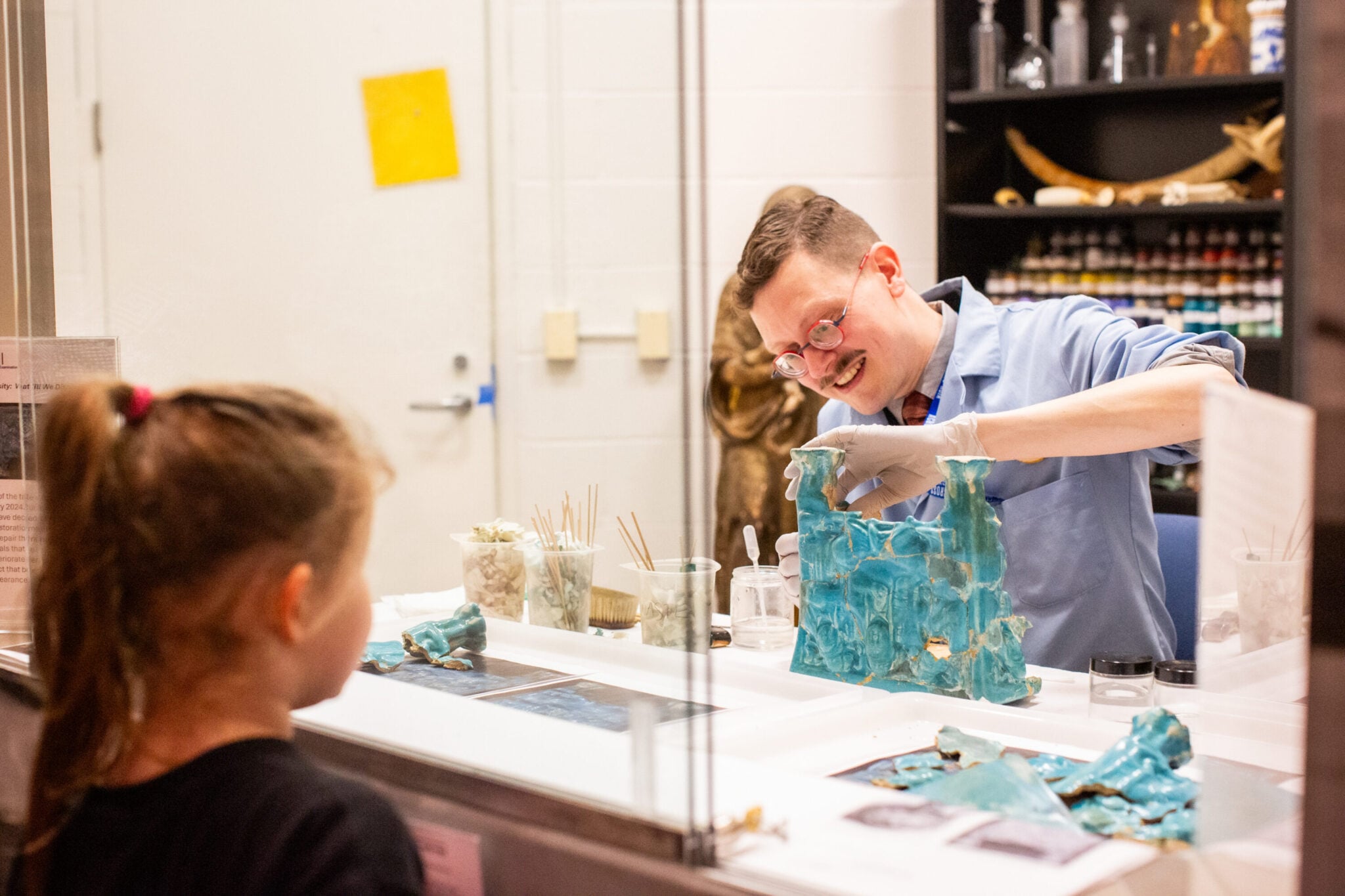
The museum has long been dedicated to public outreach and opened one of the earliest publicly accessible conservation spaces in 2009. The Conservation Window provides visitors with an opportunity to directly engage with conservators and a scientist as they work on conservation and technical study projects in a dedicated space adjacent to our labs. When not staffed, visitors can visit the window to see alternating displays highlighting research and in-progress conservation projects. Whether you’re interested in art, science, history, or culture, we hope you will stop by, interact with our conservators, and learn something new about the Walters collection.

Upcoming Events

Conservation Highlights

These treatment and research highlights delve into the stories and science behind the art on view at the museum. Read about an object’s history, then plan your visit to see it in our galleries.

Exploring Ethiopia’s Artistic Heritage

The preservation and research of Ethiopian art have long been an interest of the Conservation and Technical Research lab due to the museum’s extensive collection. In preparation for Ethiopia at the Crossroads, conservators and conservation scientists explored the Walters collection and beyond to offer new insights into Ethiopia’s rich and interconnected artistic heritage. This research explored the materials, construction techniques, history of use, and artistic exchanges that shaped Ethiopian art from the 12th to the 20th centuries, revealing deep connections with the Middle East and Europe. Highlights included the study and analysis of Aksumite coins, metal crosses, codices, scrolls, sensuls, liturgical fans, and icon paintings. Findings were shared internationally and published in the exhibition catalog.

Conserving the St. Francis Missal

The St. Francis Missal is traditionally believed to be the very book consulted by St. Francis in 1208, laying the foundation for the Franciscan order. Considered a relic by touch, this revered manuscript needed extensive treatment to be accessible to visiting pilgrims and for exhibition. Over two years, the bookblock was disbound, parchment pages were repaired, and insect-damaged 15th-century boards were reinforced and reused in the rebinding of the manuscript. Imaging and analysis revealed the rare use of gilt silver rather than pure gold leaf in the golden illuminations. At the project’s conclusion, the manuscript was digitized and made available to the public and featured in a focus exhibition that explored the conservation efforts.

Bringing a Lost Image to Light

A small devotional painting of Our Lady of Guadalupe went through a transformative treatment in preparation for exhibition. The unmounted canvas was obscured by dark soiling and was compromised by flaking paint and losses to the edges, making it difficult to exhibit. The treatment included stabilizing paint, repairing the canvas, and cleaning. Scientific analysis informed the cleaning but also revealed that the Virgin’s blue robe, now decorated with gilded stars, was once adorned with small flowers. This piece is now on view in Latin American Art / Arte Latinoamericano.

Ancient or Modern Paint?

The painted and gilded Head of the Knidian Aphrodite Type was once thought to have been painted by a modern forger. Study and analysis shows that the painted decoration is consistent with ancient materials and methods, possibly making this one of the most remarkable examples of painted sculpture from the Roman world. This multidisciplinary study was a collaboration between art historians, conservators, and a conservation scientist to bring light to a long-overlooked sculpture, which is now on view in our Greek Art gallery.

If Books Could Kill

A close collaboration between curator, conservator, and conservation scientist, the exhibition If Books Could Kill invited visitors to consider the hidden risks embedded in manuscripts from the past. Artists, collectors, and caretakers throughout the ages have used toxic materials in the creation and protection of their art, leaving a legacy of objects that may pose health and safety risks today. A cross-departmental team at the Walters collaborated to identify, document, and mitigate hazardous materials found throughout the museum’s diverse collection.

Reconstructing a Thai Thammat

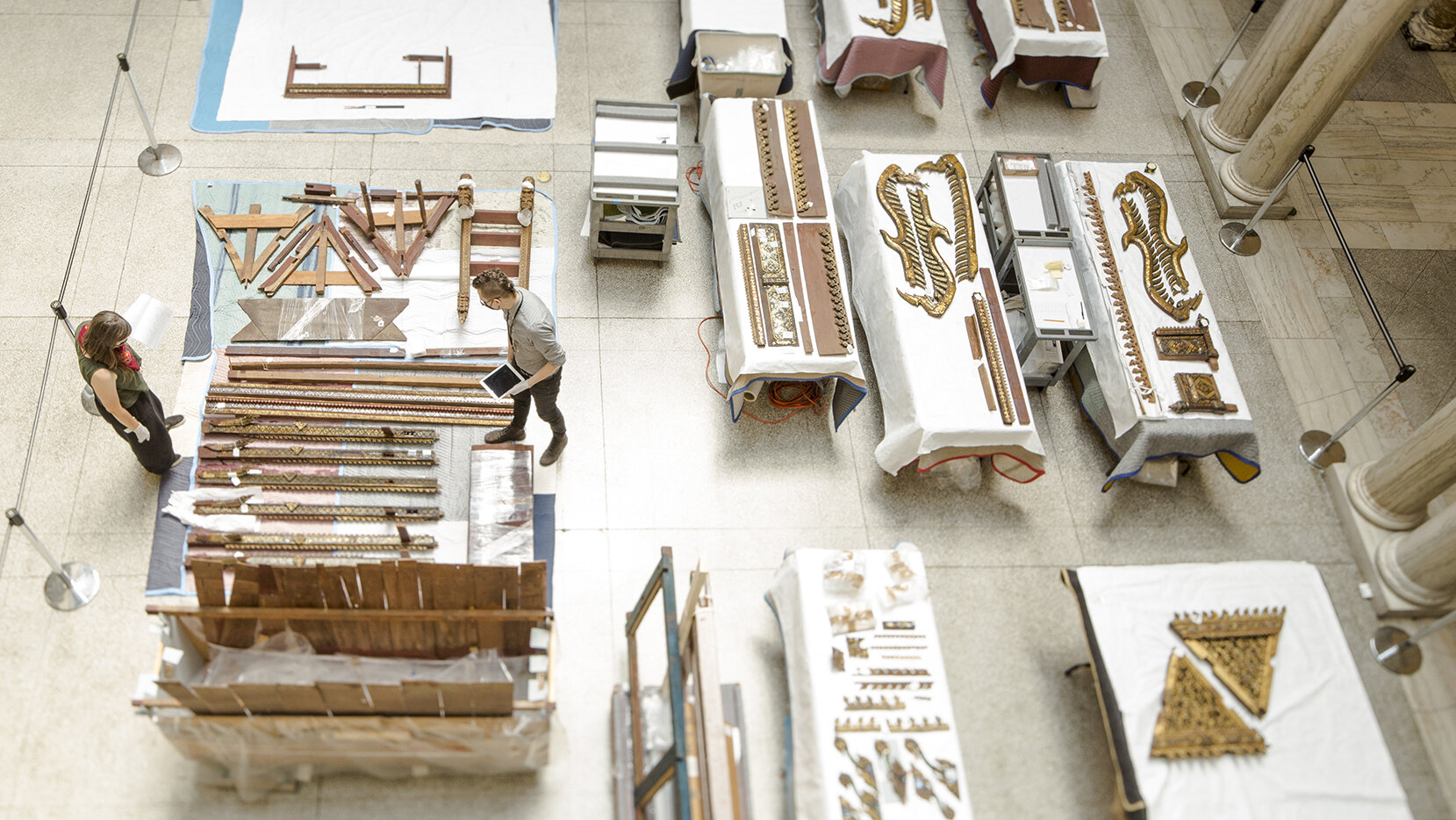
Conservators led a large multidisciplinary team over the course of two years to document, treat, and reassemble a 14-foot-tall Thai thammat for the first time since it was acquired and stored for two decades. Totaling over a hundred pieces at the beginning of the project, the treatment focused on the removal of a discolored modern coating, stabilization of the glass and lacquer, documentation of its structure and assembly, and restoration of original joinery needed for safe reassembly and exhibition. This work is now on view in Across Asia: Arts of Asia and the Islamic World.

Safeguarding Southeast Asian Paintings

Once hung on Buddhist temples, carried in festivals, and used to share the stories of the Buddha’s lives, large cloth banner paintings from Southeast Asia were once considered ephemeral and often replaced instead of repaired. The Walters’ large collection of surviving banners is rare, making it an important area of study. Complicated by fragile and sensitive paint, unwieldy sizes, and structural challenges due to rolled and framed storage, conservators developed novel approaches to carry out this work. This work is now on view in Across Asia: Arts of Asia and the Islamic World.