South and Southeast Asia
Works from India, Thailand, Cambodia, and Myanmar
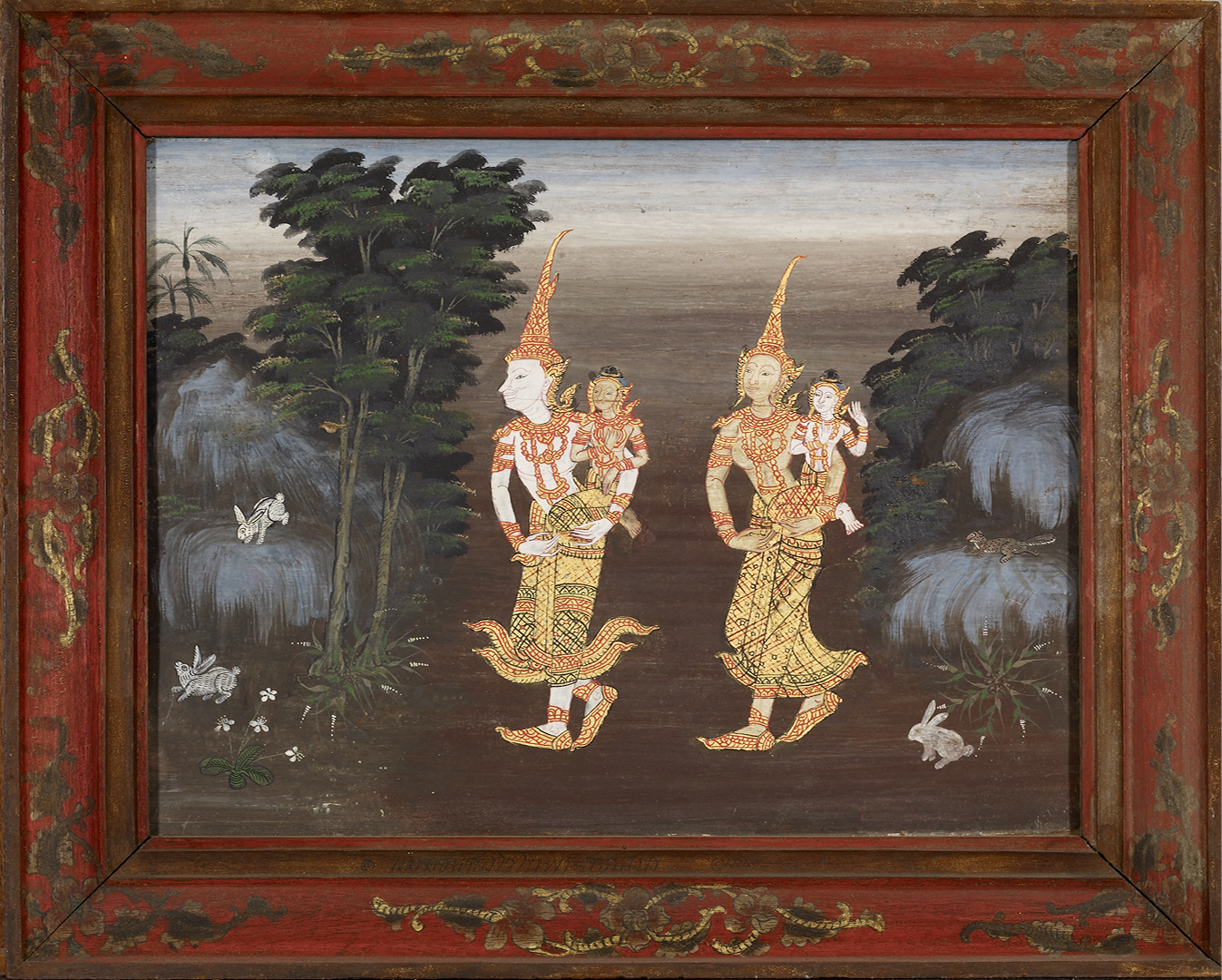
Largely made up of religious works, the South Asia and Southeast Asia galleries present important objects and information about the cultural interactions and exchanges by land and sea in the evolution of Hindu and Buddhist sculpture, architecture, and painting across these regions.
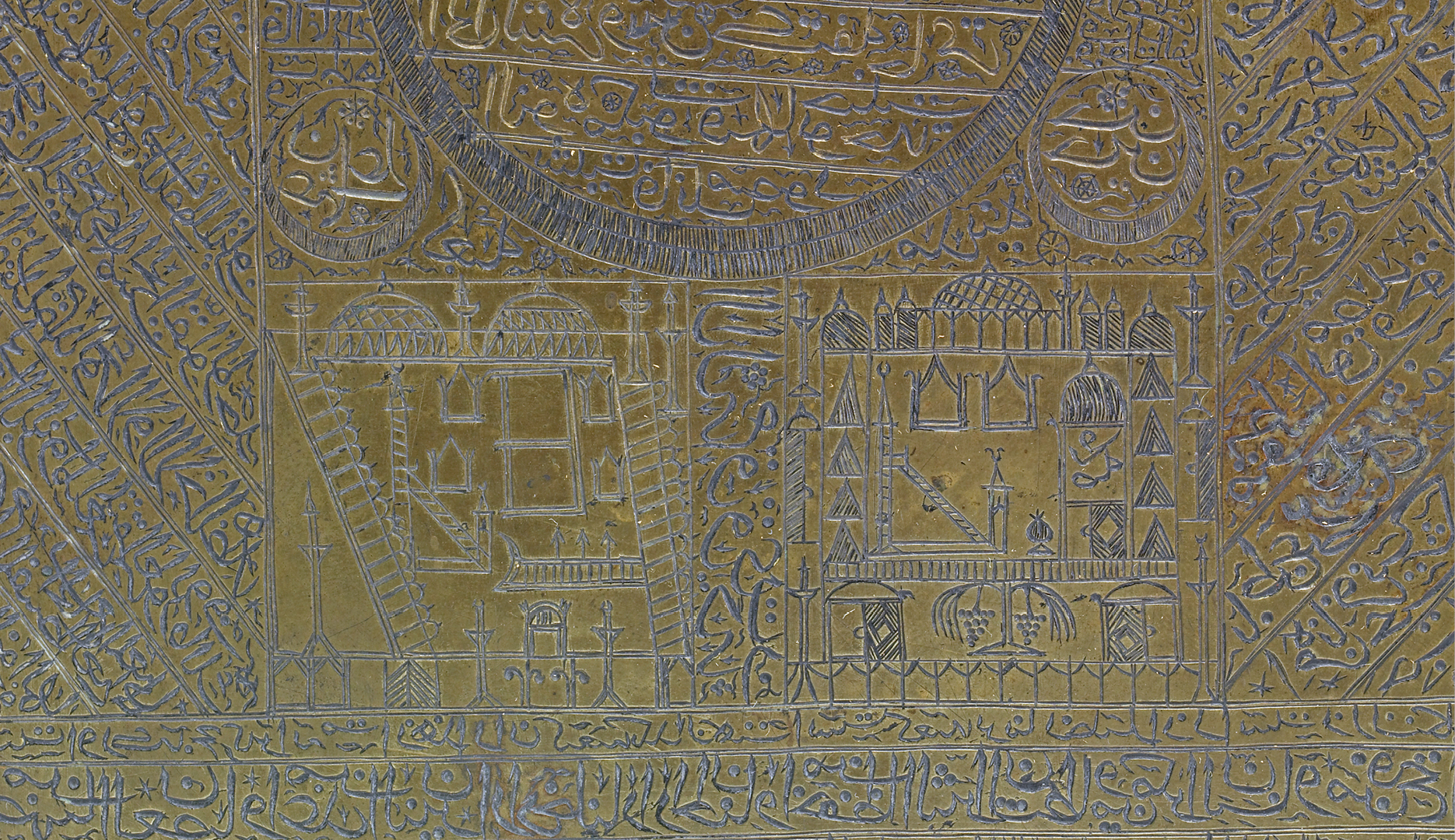
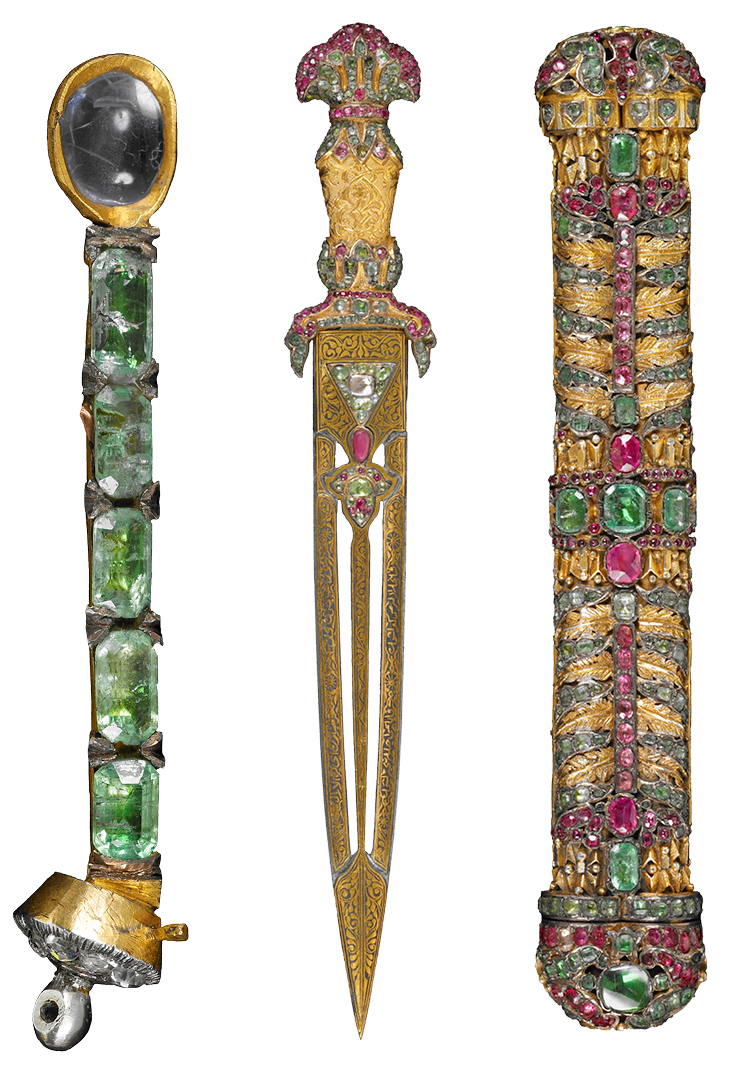
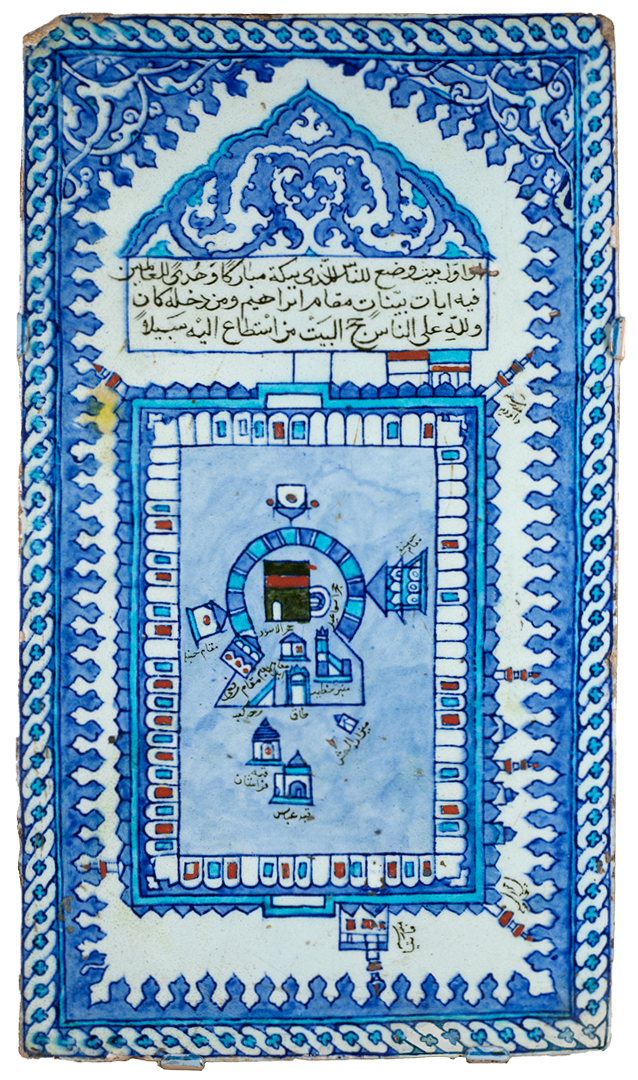
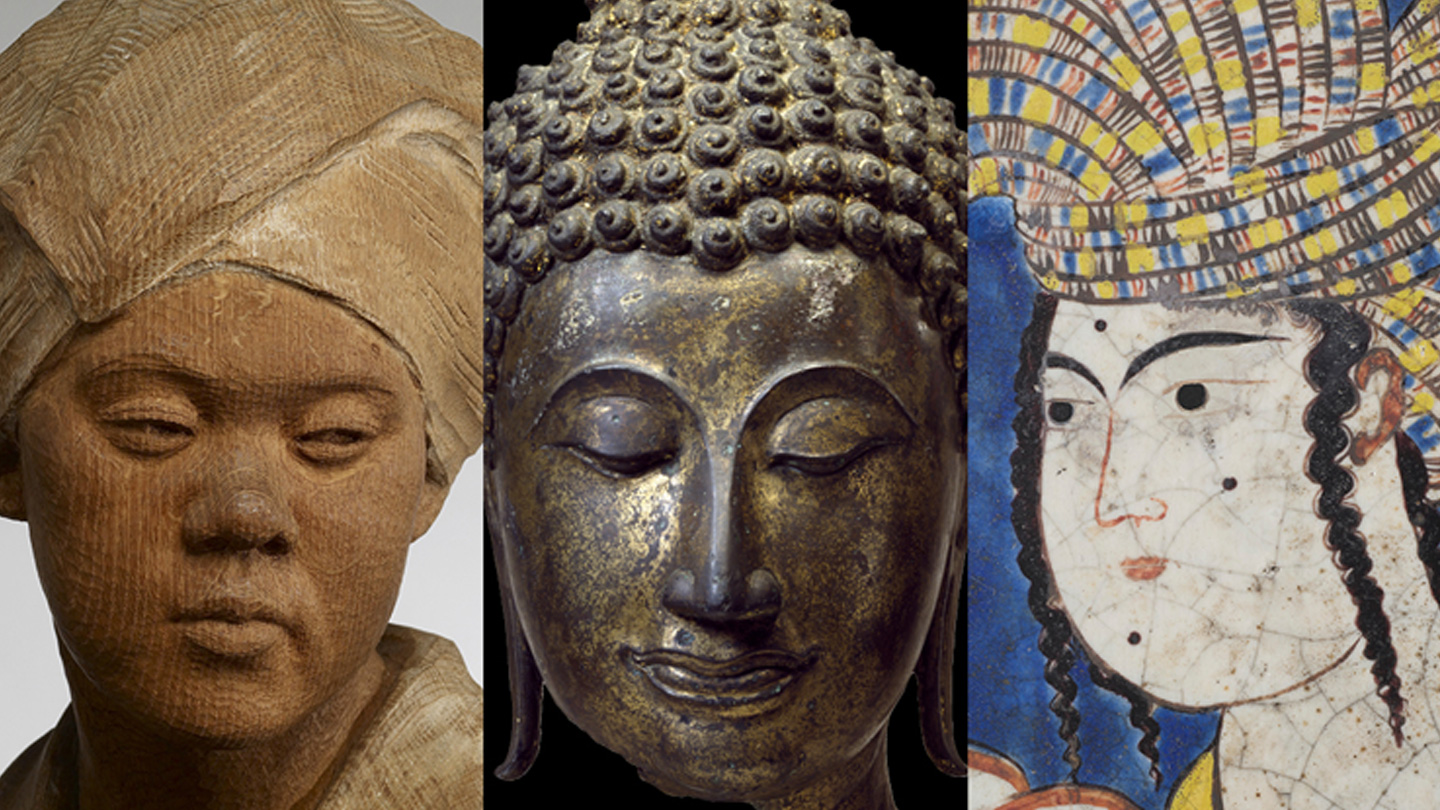
Visitors will witness how representations of images of the Buddha and Bodhisattvas both remain the same and change across arts of South and Southeast Asia and arts of East Asia. In particular, a case in the Southeast Asia galleries provides a broad context for understanding Bodhisattvas, while the Bodhisattva Avalokiteshvara is explored in depth in the East Asia gallery. Similarly, a case of South Asian Islamic arts demonstrates for visitors how local techniques and styles had an impact on the aesthetics of the arts of Islam in an area adjacent to the gallery of arts of Persian cultures.
Cases devoted to artful tools speak to how objects were created for the enjoyment of stimulants. Functional art for the enjoyment of tea and coffee are highlighted in the arts of East Asia and the Islamic World galleries, respectively. Objects for the appreciation of betel, a popular stimulant that is chewed in many parts of Asia, are featured in the South and Southeast Asia galleries.
“The Walters collection of South and Southeast Asian art is dominated by religious art, and these works evidence the rich histories and complex cultures of South and Southeast Asians,” Proser said. “Through the religious works of art, Hindu, Buddhist, Jain, Islamic, and Christian, we can point to long-standing intercultural connections and exchanges, and individual cultural characteristics and developments. Through religious art we can teach about the devotional practices that are part of the daily lives of South and Southeast Asians, and we can show that while religious traditions can be hugely distinctive, there are also some practices that are shared, like the sanctity of religious texts, the importance of pilgrimage, and the use of art to convey religious teachings and stories. These new Across Asia galleries, combined with the strengths of The Ford Gallery that is dedicated to the art acquired by renowned collectors John and Berthe Ford, more than ever make the Walters a destination for lovers of South and Southeast Asian art.”
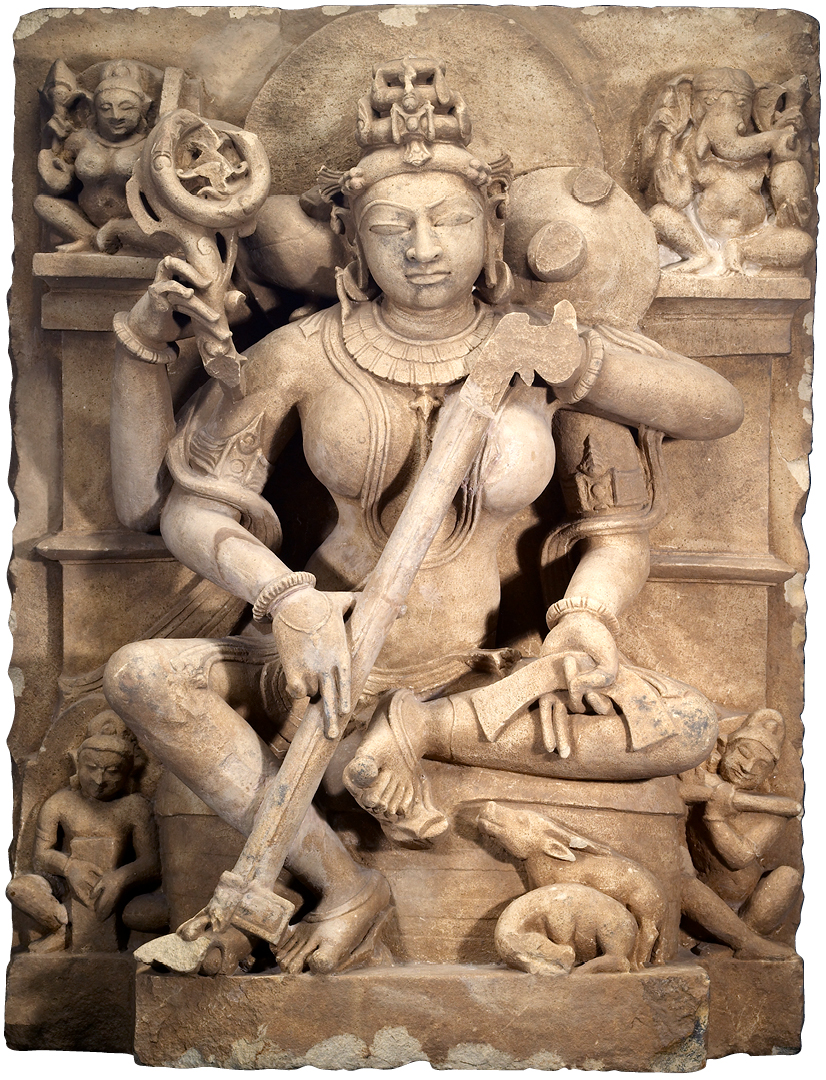
Standout works in this section include the Sarasvati (10th–11th century), the Seated Buddha (18th–19th century), and the Thai pulpit (thammat) (19th century).
East Asia
Works from China, Korean Peninsula, and Japan
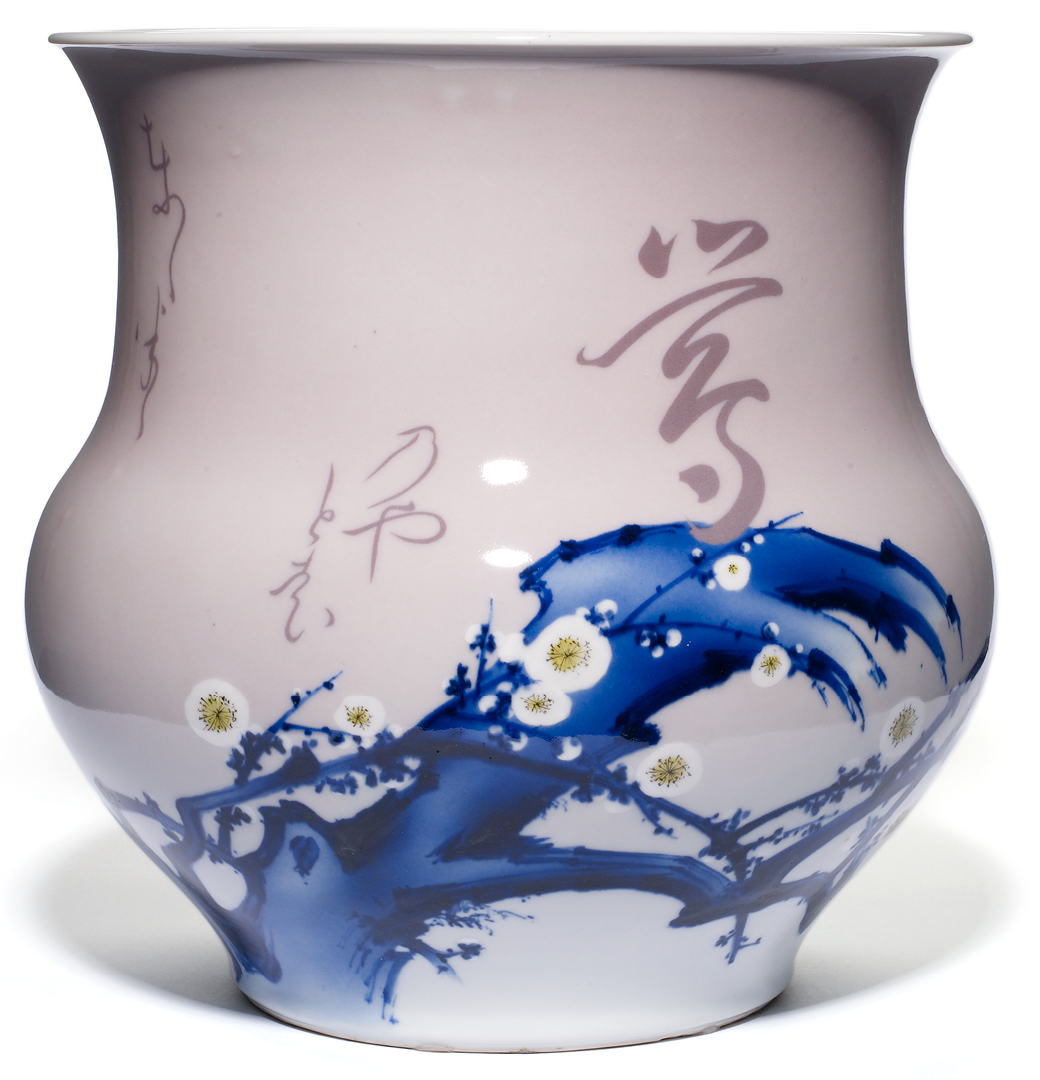
In the East Asia galleries, visitors will encounter sculpture, metalwork, jades, paintings, textiles, and, notably, ceramics made during China’s last imperial dynasty, the Qing dynasty (1644–1911), as well as art from the Meiji period of Japan (1868–1912), which predominates the Walters’ Japanese art collection, and Korean bronzes and ceramics, particularly those made during the Goryeo dynasty (918–1392) and the Joseon dynasty (1392–1910).
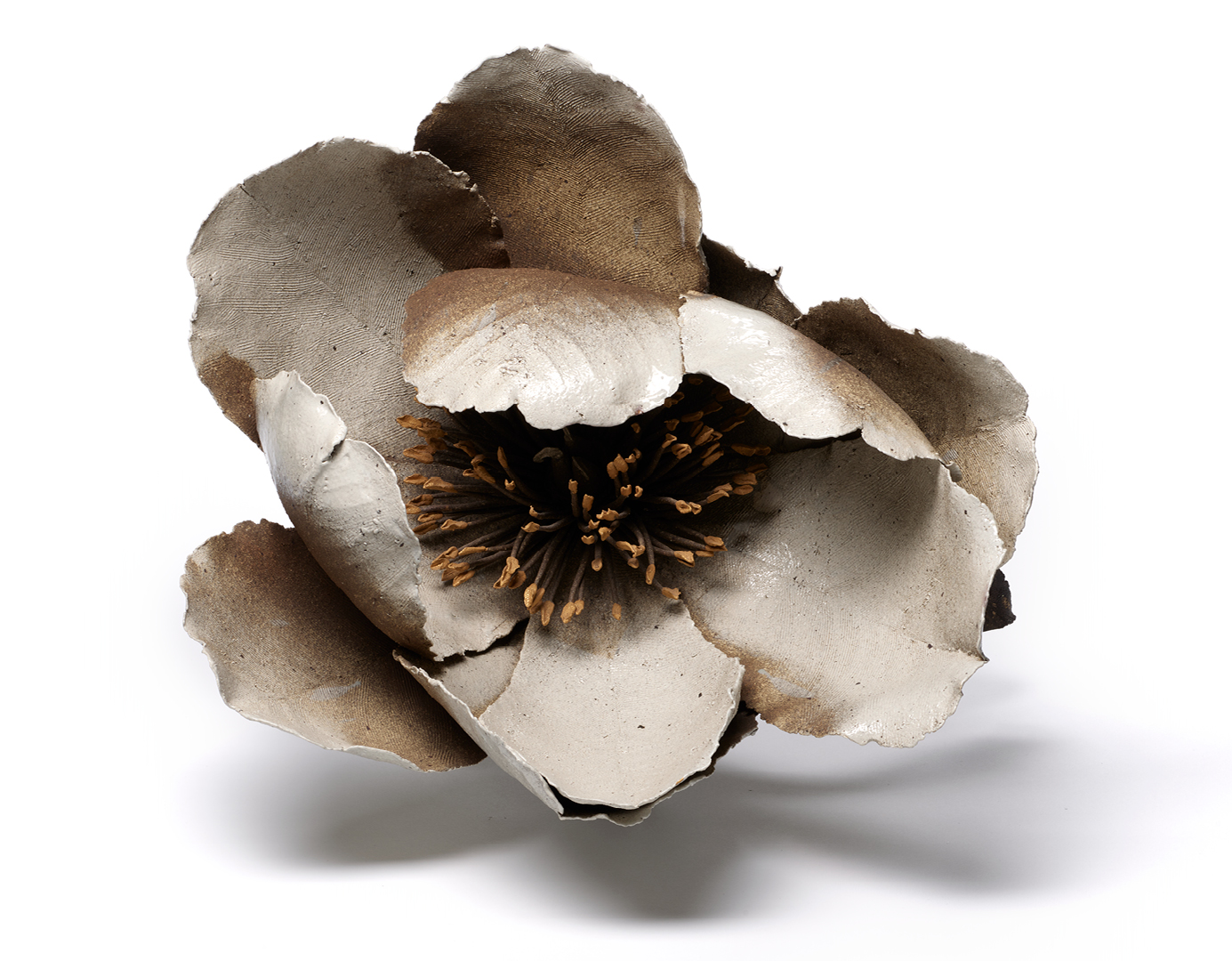
Organized around themes of literacy and learning, pastimes, adornment, stimulants, world views, the natural world, rites and rituals, death and the afterlife, and trade and exchange, the galleries also include Islamic, European, and contemporary art to demonstrate the connections and living traditions of these works.
“For thousands of years, artworks have traversed the vast landmass that is now defined as the continent of Asia, and many works exhibit qualities that cross geographic and cultural borders,” said Dany Chan, Associate Curator of Asian Art. “Some artistic traditions cannot be represented in their historical breadth through the museum’s collections. To that end, the reinstalled galleries focus on showcasing the strengths of the Walters’ Asian art collections and the traditions they represent; for the East Asia galleries, it means foregrounding the stories primarily in China’s Qing dynasty and Japan’s Meiji period. We focus, for example, on the exchanges of ‘blue-and-white’ ceramics among East Asia, Southeast Asia, the Islamic world, and Europe during the 16th and 17th centuries. At the same time, we’re showcasing to visitors a variety of objects that they may not have previously thought of as Asian art.”
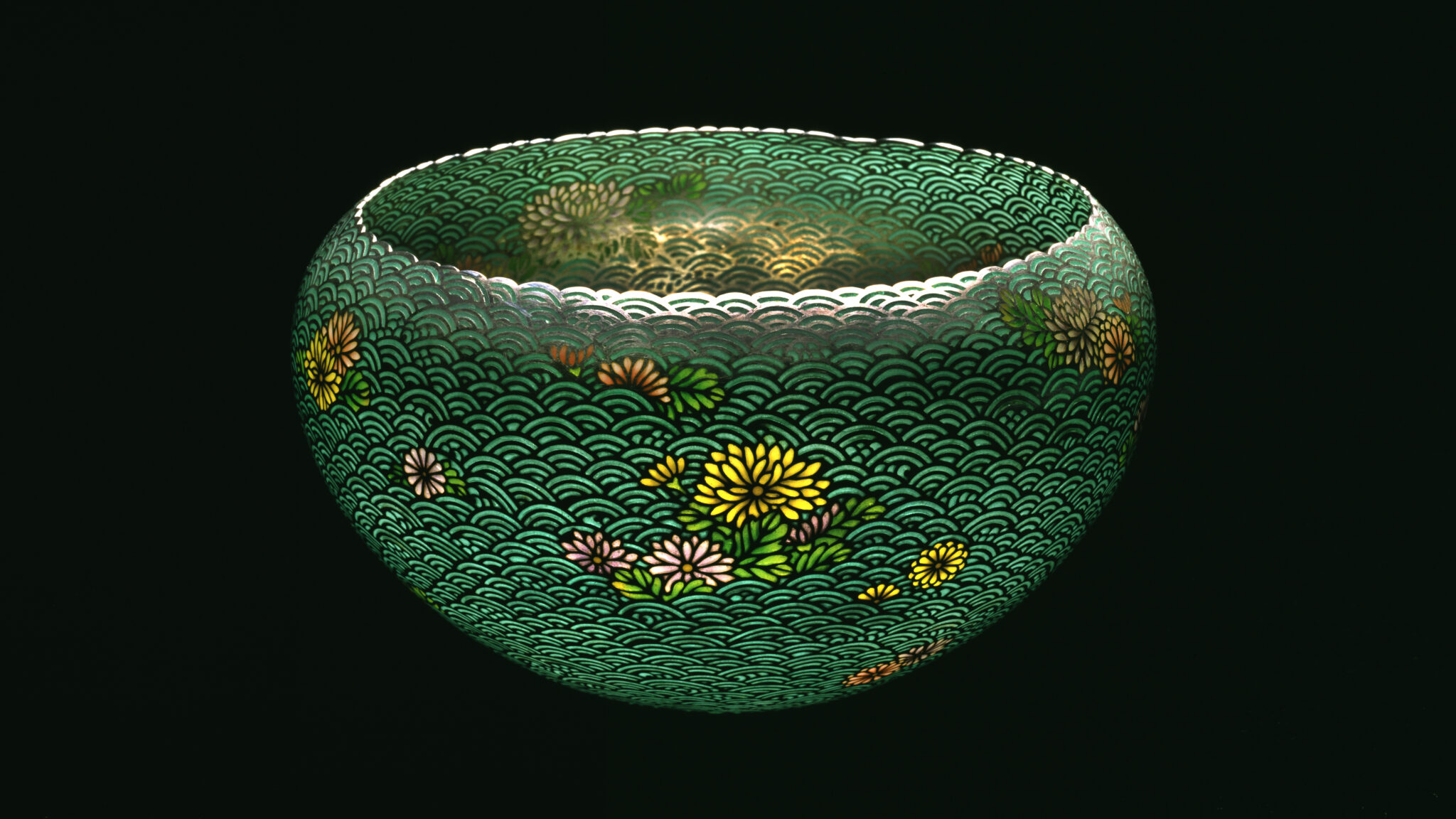
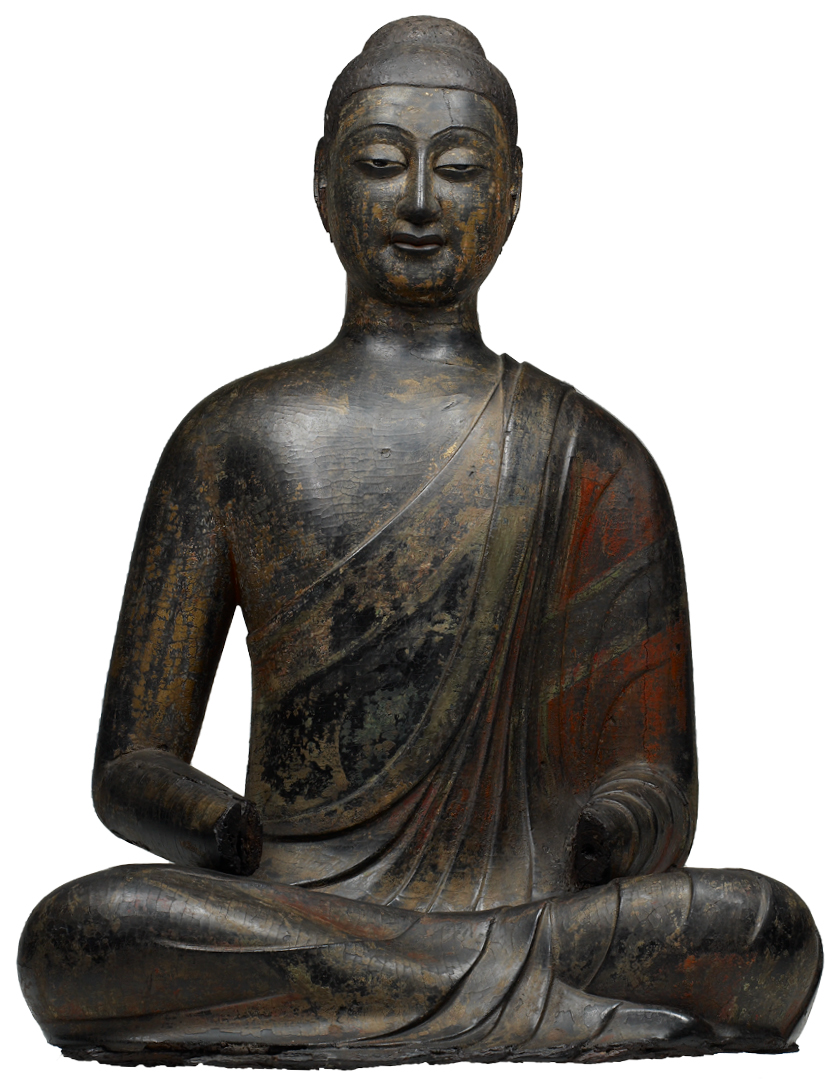
Standout works from this section include the Lidded Jar with Carp in Lotus Pond (1522–1566), Bowl with Chrysanthemum Blossoms (ca. 1900), and Buddha (ca. 590).