Ethiopia at the Crossroads

Published Fall 2023

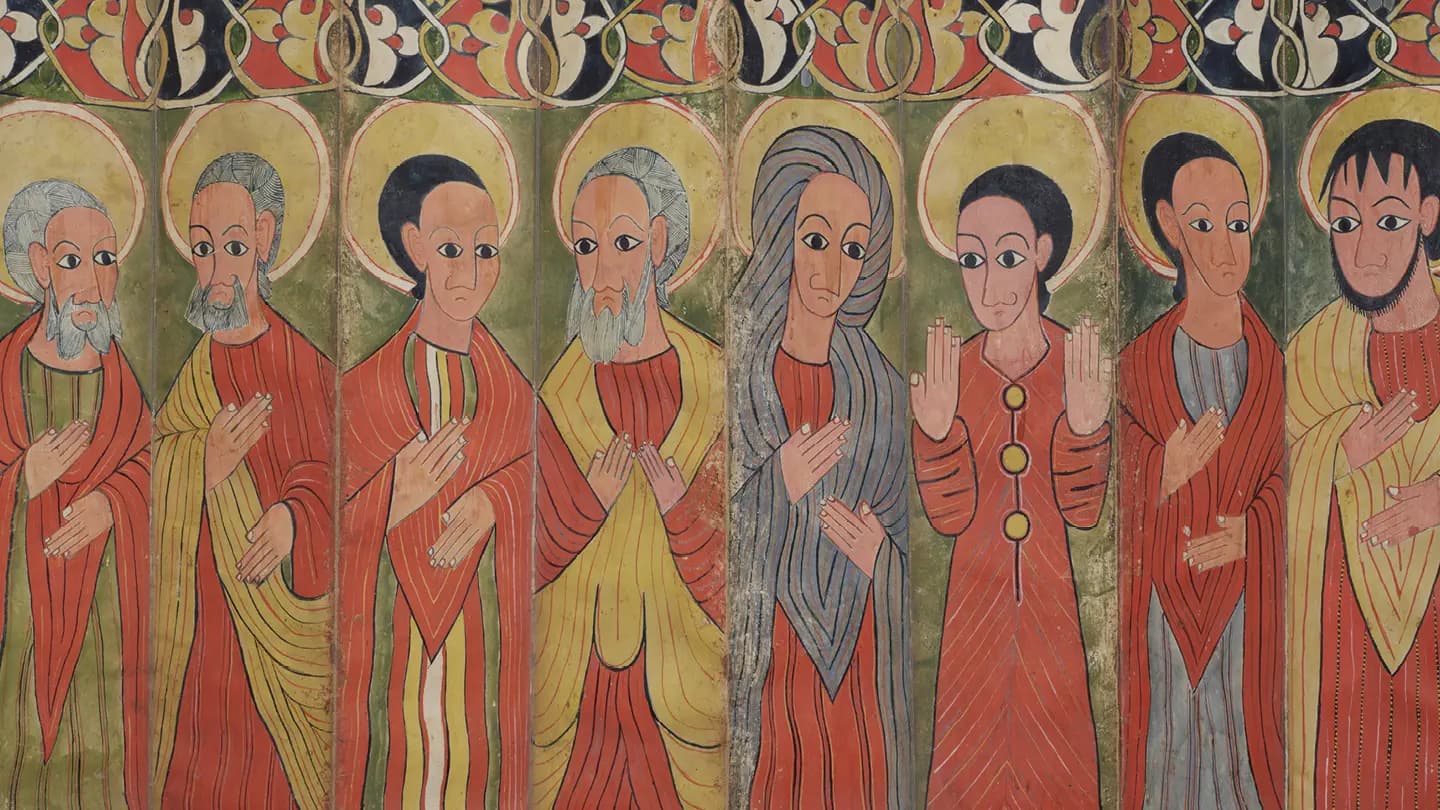
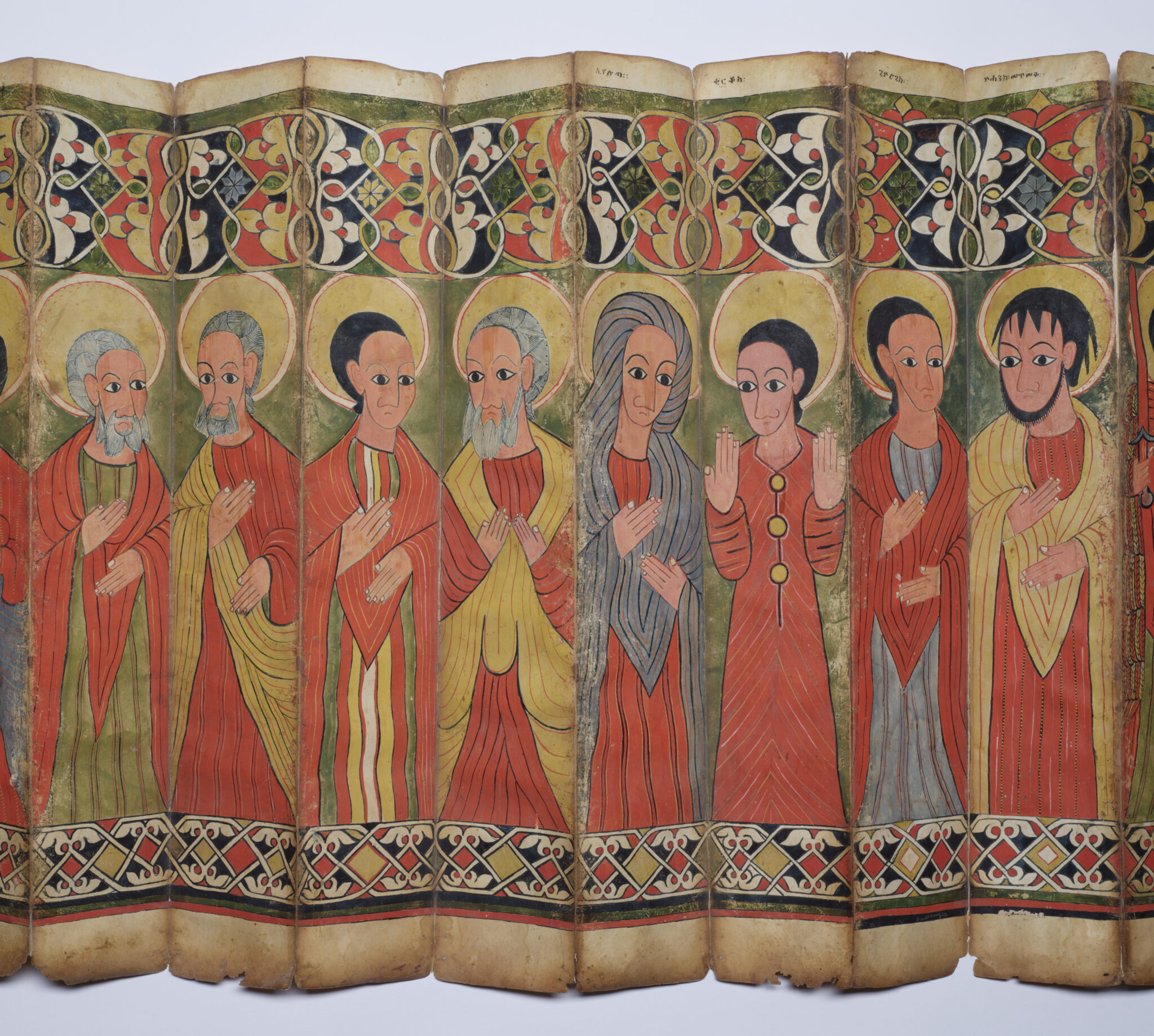
Folding Processional Icon in the Shape of a Fan (detail), Ethiopia, late 15th century. Museum purchase with funds provided by the W. Alton Jones Foundation Acquisition Fund, 1996.

Seated in the Horn of Africa, Ethiopia is an intersection of diverse cultures, religions, and climates. A nexus of trade and travel throughout its history, Ethiopia is remarkable as the second nation to adopt Christianity, even predating the religion’s adoption by the Roman Empire in the 3rd century. It is also the only African nation that was never colonized.

This December, the Walters Art Museum presents a major exhibition of Ethiopian art and history in Ethiopia at the Crossroads. Examining Ethiopian art as representative of the nation’s history, the exhibition demonstrates the enormous cultural significance of this often-overlooked African nation through the themes of cross-cultural exchange and the human role in the creation and movement of art objects across the Mediterranean and the Red Sea, crossing the Indian Ocean, and within the African continent.

Immersing visitors in the rich and ancient cultural heritage of Ethiopia, Ethiopia at the Crossroads spans more than 1,750 years of history and features 225 objects drawn from the Walters’ world-renowned collection of Ethiopian art and augmented with loans from other American, European, and Ethiopian lenders. Presented in a combined chronological and thematic format to encourage visitors’ understanding of pivotal cultural moments in Ethiopian history, this major exhibition is the first in America to examine Ethiopian art in a global context.

Ethiopia at the Crossroads moves beyond the traditional Western perceptions of Ethiopian culture and re-centers both our understanding of the country’s significant artistic traditions and its connections to the wider world. This exhibition demonstrates Ethiopia’s foundational role in world culture, religion, and the humanities, while illuminating the specific ways in which Ethiopian artists and communities encountered and exchanged ideas with other cultures near and far,” said Julia Marciari-Alexander, Andrea B. and John H. Laporte Director. “Over the last three decades, the Walters has built the most important collection of Ethiopian art outside of that nation, devoted curatorial resources to explore this collection area, and invested in conservation research and treatment for these objects. Ethiopia at the Crossroads is the culmination of this long-term investment, an outstanding opportunity to share these remarkable works with our community, including the significant Ethiopian diaspora in the Baltimore/Washington, D.C., area.”

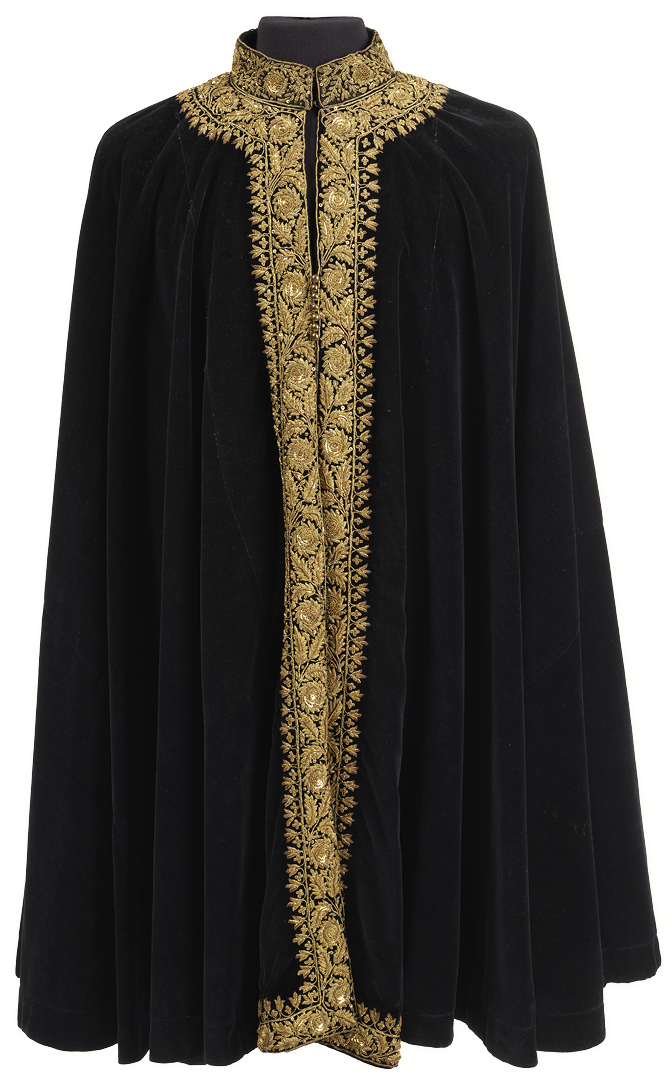
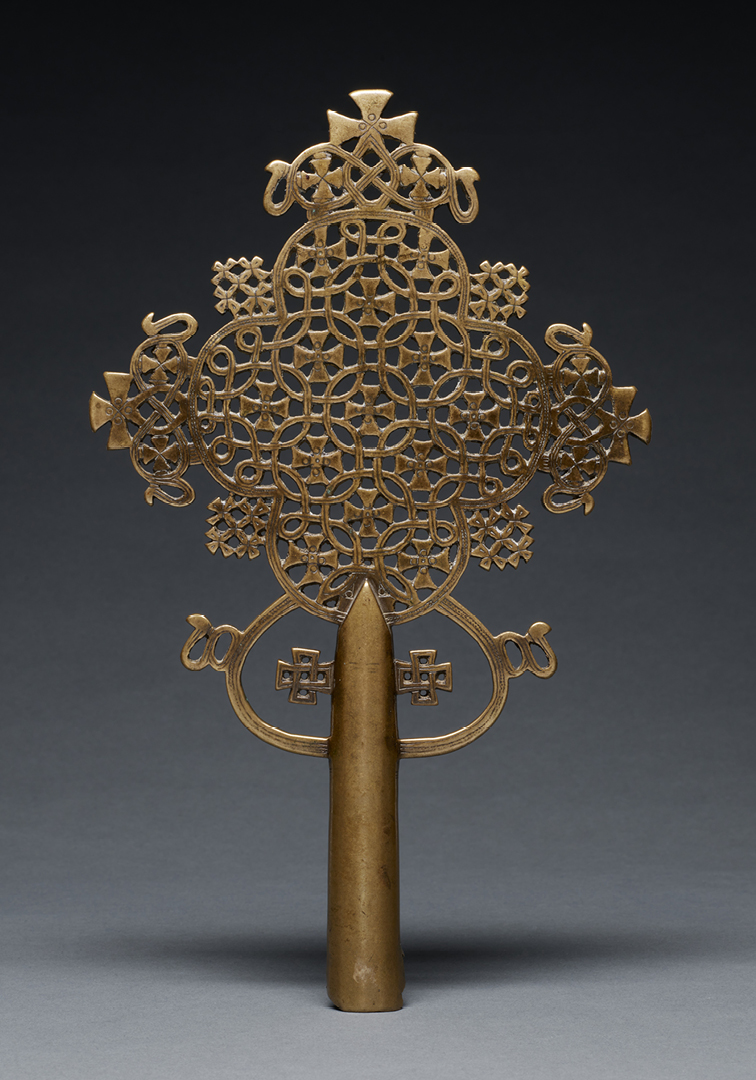
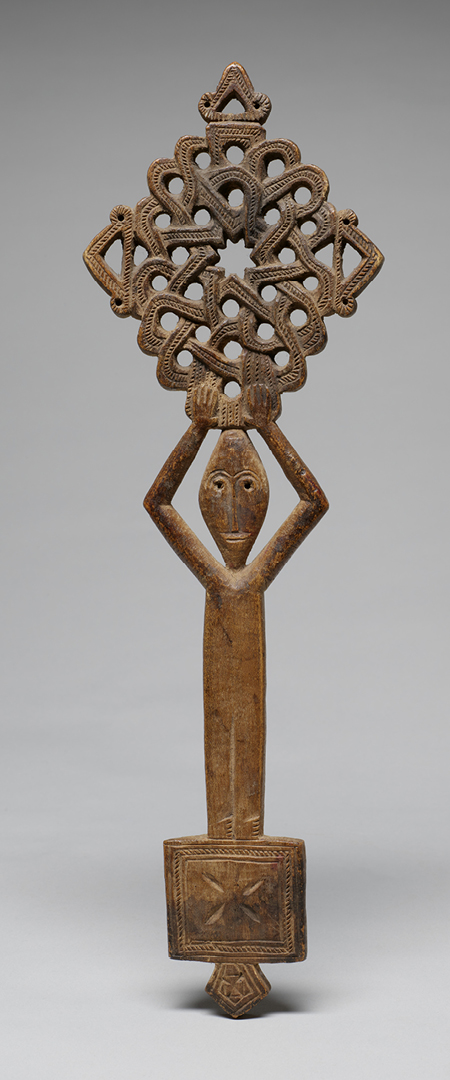
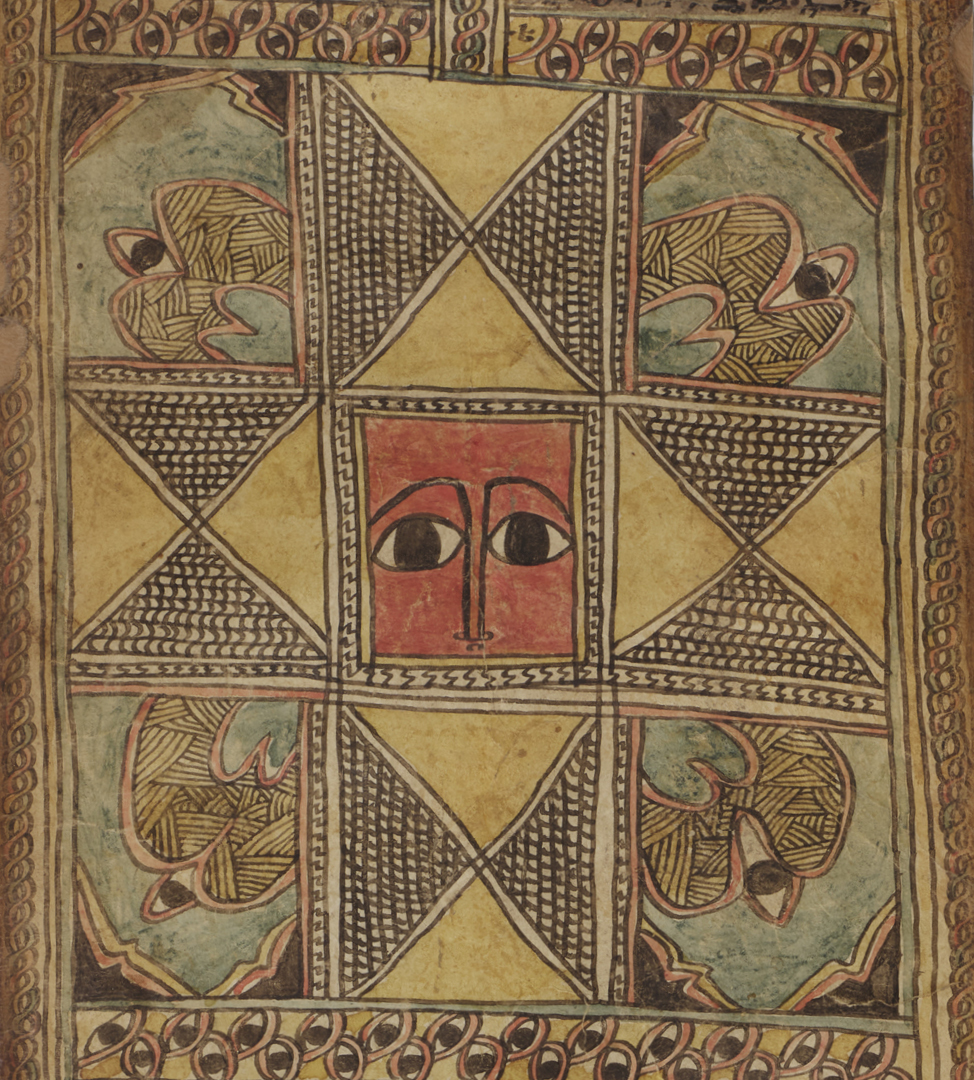
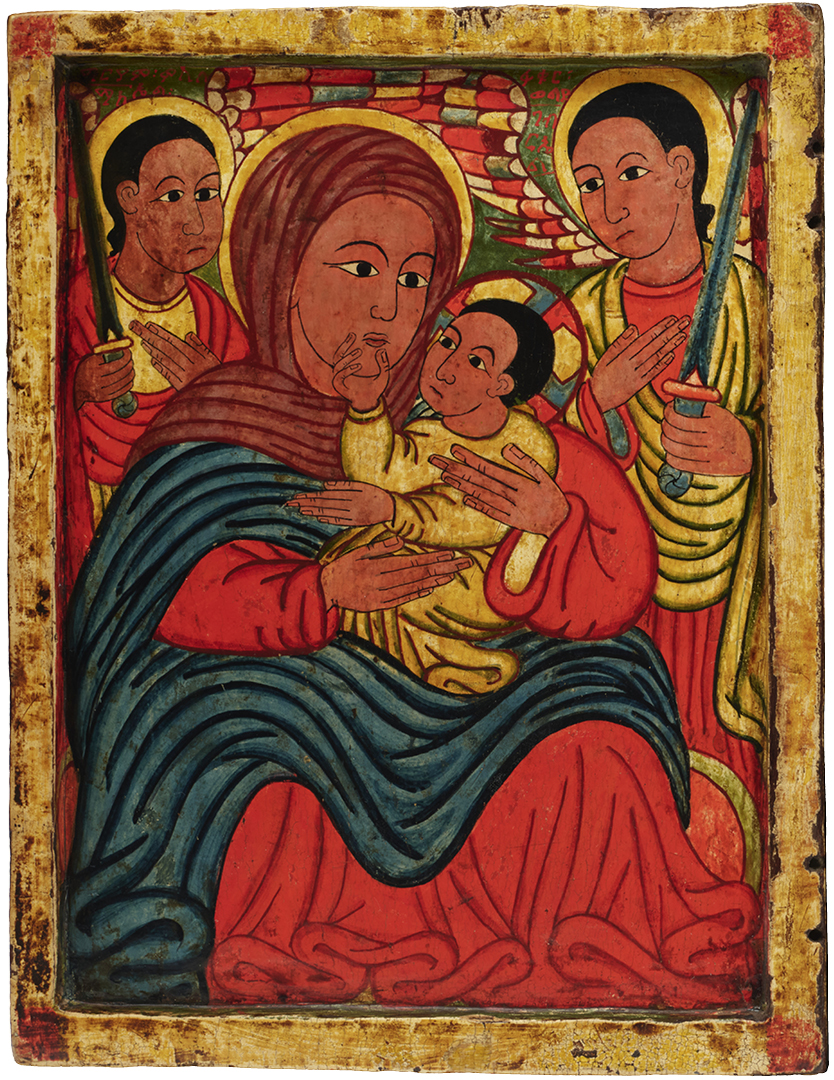
Visitors will see church wall paintings, Christian icons, metalwork crosses of various scales, healing scrolls, coins, colorful Islamic basketry, illuminated manuscripts, and ancient stone and 20th-century wood sculptures. Additionally, the exhibition showcases studies by Walters conservators and conservation scientists that reveal new findings on the techniques and materials of Ethiopian craftspeople.

Ethiopia at the Crossroads was shaped and informed by work done during the period of the National Endowment for the Humanities Exhibition Planning Grant. During this time, Christine Sciacca, Curator of European Art, 300–1400 CE, and Karen French, Head of Painting Conservation, traveled to Ethiopia to experience firsthand the country’s long history, from Lucy (Australopithecus afarensis) to the legendary Queen of Sheba, from the Aksumite kings to the rock-cut churches of Lalibela, as well as present-day religious ceremonies, music, dance, and contemporary art.

“The Walters has one of the largest, and arguably the finest, collections of Ethiopian art outside of the Ethiopian capital of Addis Abäba. The collection tells the story of a nation whose rulers and priests expressed their royal ideals and religious beliefs through coinage, painted icons, objects used in corporate worship or personal devotion, and luxury copies of religious texts, while responding to contacts with people from Europe, the Middle East, Africa, and Asia,” said Sciacca. “While scholars have acknowledged that Ethiopia stands at a crossroads between the Mediterranean World, the Middle East, and India thanks to its location and its placement along trade routes, the specific ways in which it encountered the art of surrounding cultures has never been studied in an exhibition. From the 4th century to the present day, Ethiopian artists have developed distinctive traditions while drawing upon the neighboring ones from Coptic Egypt, South Arabia, Byzantium, Armenia, Italy, the greater African continent, and India, among others. In the 20th and 21st centuries, artists belonging to Ethiopian diaspora communities in the United States and Europe have built upon this legacy. By examining these connections between Ethiopia and surrounding cultures we can better understand the impact and artistic legacy of this great African nation.”
“By examining these connections between Ethiopia and surrounding cultures we can better understand the impact and artistic legacy of this great African nation.”
Christine Sciacca

The exhibition invites visitors to draw connections between the historic works and the living traditions of artists today. Works by Ethiopian diaspora artists, such as Aïda Muluneh and Wosene Worke Kosrof, are integrated throughout the space and juxtaposed with the historic art. These voices respond to and reflect upon traditional Ethiopian art, helping visitors to comprehend and connect with the multiplicity of cultures and histories presented. In addition, video screens showing a modern-day Ethiopian religious celebration and recordings of community members are incorporated throughout the galleries to present visitors with a greater understanding of Ethiopian culture.

Ethiopia at the Crossroads is curated by Christine Sciacca, Curator of European Art, 300–1400 CE, at the Walters Art Museum. The exhibition opens at the Walters on December 3, 2023, and is on view through March 3, 2024. The exhibition will travel to the Peabody Essex Museum, April 14–July 7, 2024, and to the Toledo Museum of Art, August 18–November 10, 2024.

About This Exhibition

This Exhibition is co-organized by the Walters Art Museum, Peabody Essex Museum, and the Toledo Museum of Art.

Ethiopia at the Crossroads has been made possible in part by two major grants from the National Endowment for the Humanities: Democracy demands wisdom, and by a grant from the Institute of Museum and Library Services (MA-253352-OMS-23).

This project is also supported by the Richard C. von Hess Foundation, the PNC Foundation, The Hilde Voss Eliasberg Fund for Exhibitions, contributors to the Gary Vikan Exhibition Endowment Fund, The Walters Women’s Committee Legacy Endowment, Nanci and Ned Feltham, The International Center of Medieval Art and the Samuel H. Kress Foundation, and other generous supporters.

Any views, findings, conclusions, or recommendations expressed in this exhibition do not necessarily represent those of the National Endowment for the Humanities, the Institute of Museum and Library Services, or other funders.