Illuminated Ideas
Published Winter/Spring 2026
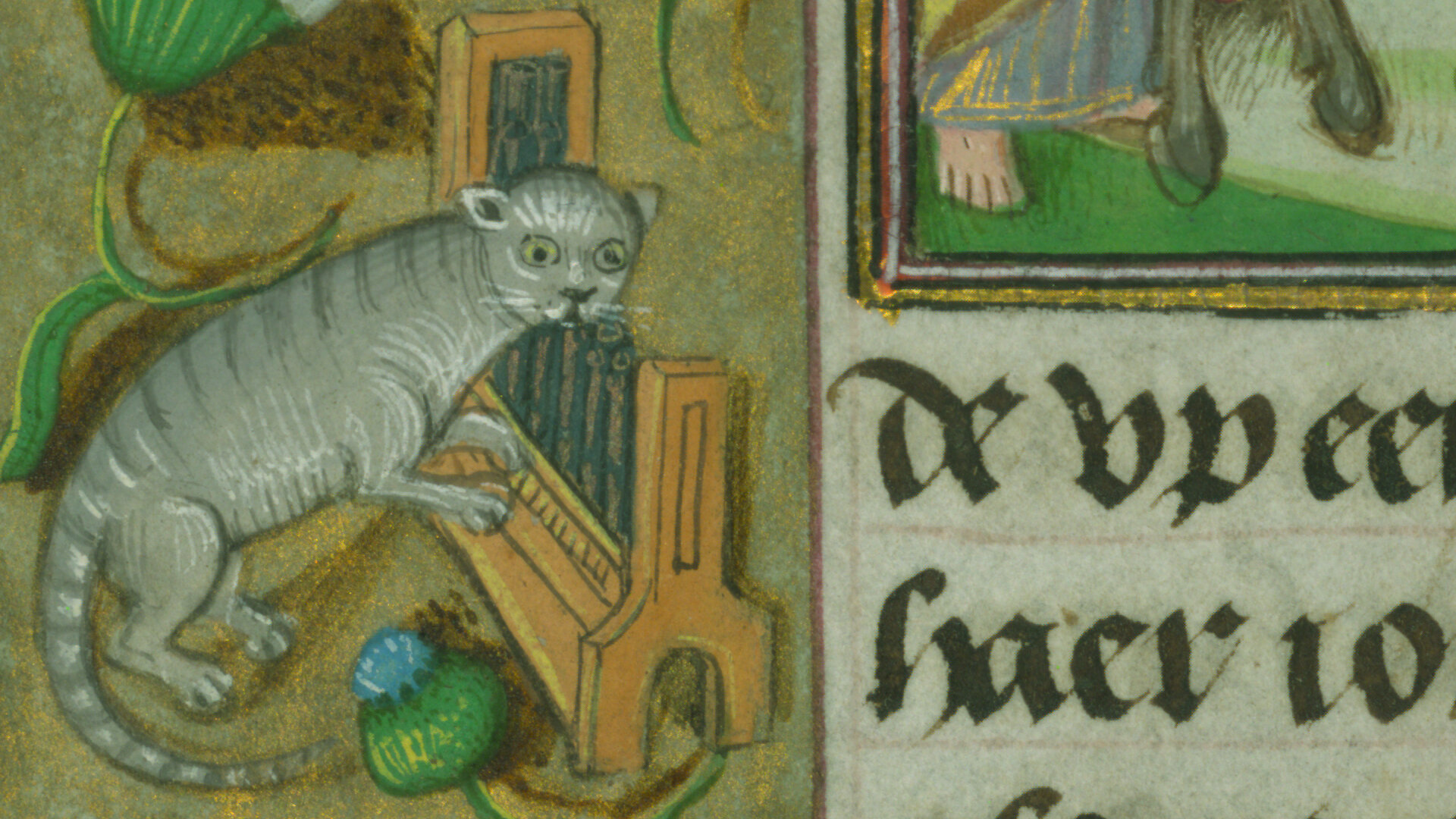
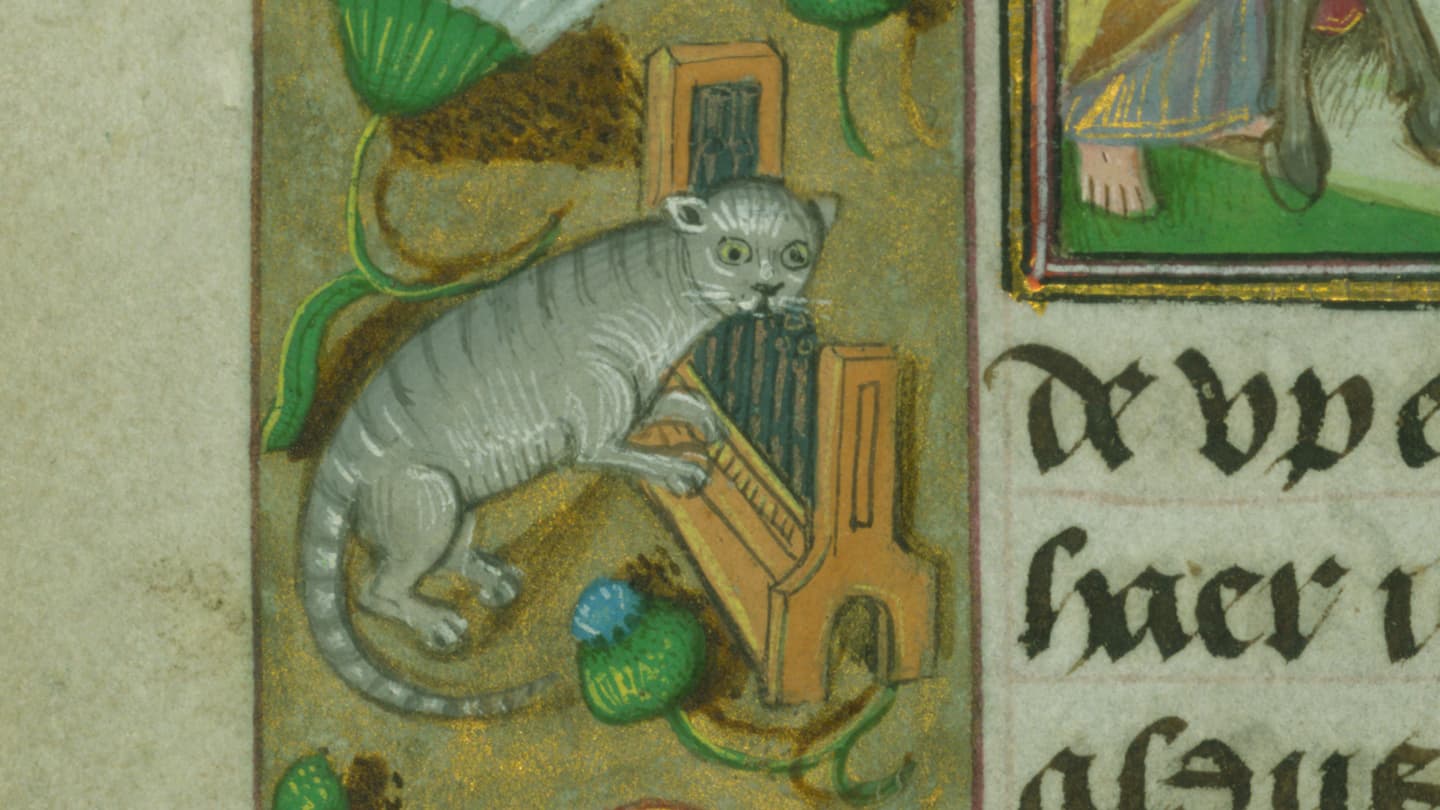
Flanders, Prayer Book (detail), late 15th-century. Acquired by Henry Walters.
Exploring the Medieval World through Manuscript Exhibitions
One of the most dynamic galleries at the Walters might also be one of its smallest. Tucked just inside the entrance to the Medieval galleries on the third floor of the Centre Street building, there sits a snug, windowless room. This space is the Manuscript and Rare Book Gallery, and every six months, it boasts a new exhibition that shows off treasures from the Walters’ renowned collection of medieval manuscripts, rare books, and more.
“This gallery, which we started using for our book and manuscript exhibitions in 2023, is perfectly situated because it allows us to display these objects in conversation with the medieval artworks in the surrounding rooms,” said Lynley Anne Herbert, Robert and Nancy Hall Curator of Rare Books and Manuscripts. “This helps visitors contextualize books as a regular part of medieval society. It also allows visitors to explore the books on display through many lenses: as texts, works of art, and functional objects of daily use.”
The works on view in this space change every six months, presenting an exciting opportunity to continually re-examine the Walters’ expansive collection of manuscripts and rare books. “We have nearly 5,000 rare books and manuscripts at the Walters, but it’s kind of a hidden collection because these objects can’t always be out on view due to light sensitivity,” said Herbert. “Doing these six-month rotations allows visitors to experience different parts of the collection more often.”
An array of topics has filled the gallery in recent months, including women’s contributions to the book arts explored through new acquisitions that help tell that story, and a deep dive into the dangers of the toxic paints that lurk within the pages of medieval manuscripts. Starting in August 2025, a paws-itively adorable exhibition has taken over this space. Paws on Parchment explores how medieval people thought about, engaged with, and admired cats through the animals’ presence in manuscripts from the period.
“These pawprints became a really relatable jumping off point to tell the story of cats and their importance in this time period through books and manuscripts.”
Cats played an important role in the medieval era. Like today, cats were considered beloved pets whose behavior amused and exasperated their owners. However, felines also served an important function as hunters that protected valuable books and textiles, food stores, and even people from disease-carrying rodents and other vermin. Cats also carried deep symbolic and moral meaning in this time.
Because cats were an important part of medieval daily life, these animals were commonly reflected in the art of the era. Centuries before cat memes took over the internet, the antics of fanciful felines became a popular motif in the margins of medieval manuscripts. Paws on Parchment presents 20 examples of cat illustrations preserved in the pages of European, Islamic, and Armenian manuscripts, including a 15th-century “keyboard cat.”
Most notably, the exhibition showcases an impressive Flemish manuscript from the 1470s that contains a rather unusual addition—real pawprints left by a cat walking across the pages as the ink dried. A handful of these “pawprint manuscripts” are known around the world, but this is the first time the Walters’ example has ever been on view, creating a very tangible link between the past and present.
“Imagine you were the scribe for this book, and you spent all day writing this beautiful text. You left it out to dry so it would be perfect, and you came in the next morning to find inky pawprints all the way across your book,” said Herbert, the curator of Paws on Parchment. “You can almost hear the scribe’s frustrated sigh. It feels like such a human moment, and one that anyone who has cats can connect with. These pawprints became a really relatable jumping off point to tell the story of cats and their importance in this time period through books and manuscripts.”
-
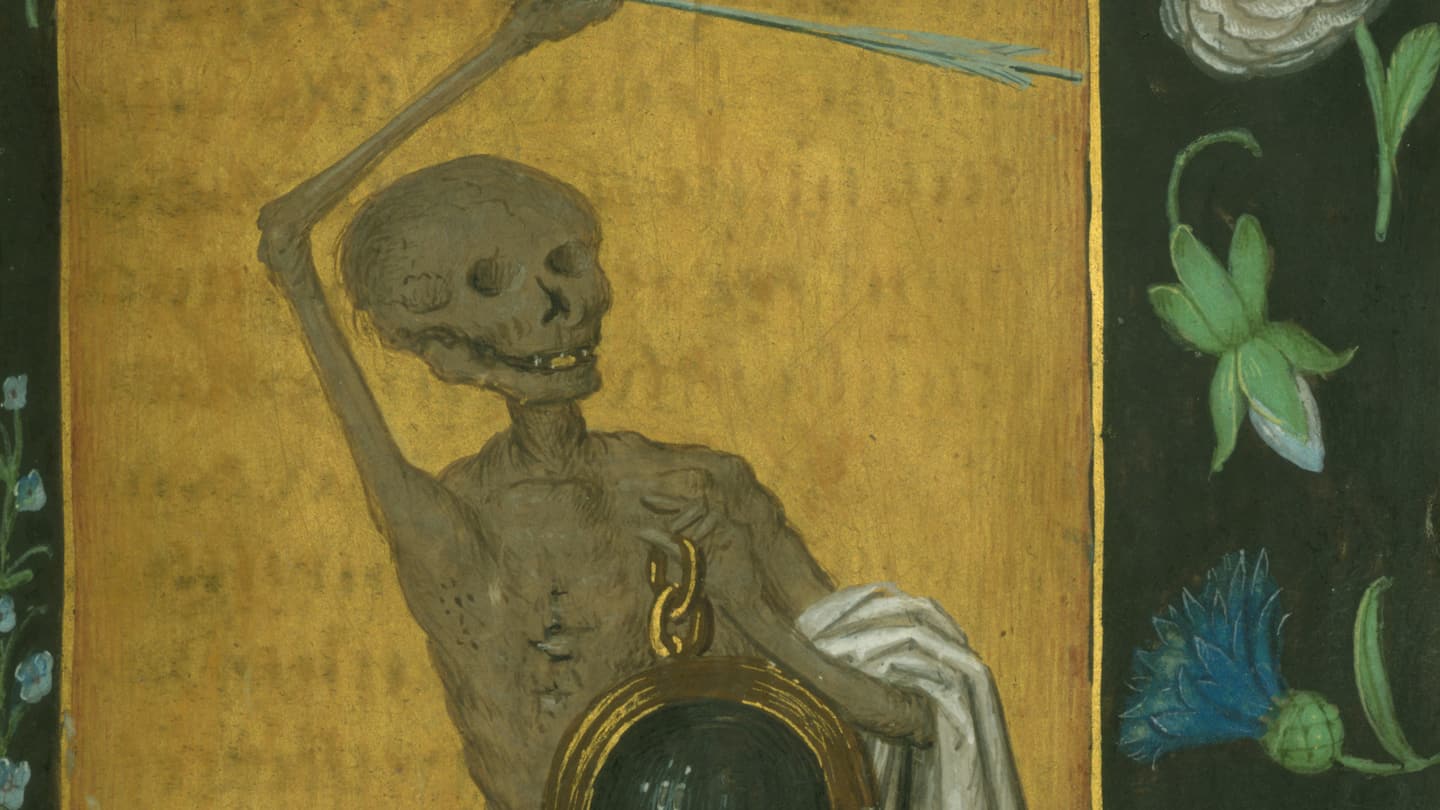
Book of Hours (detail), France (Paris), 1505. Acquired by Henry Walters, before 1931.
-
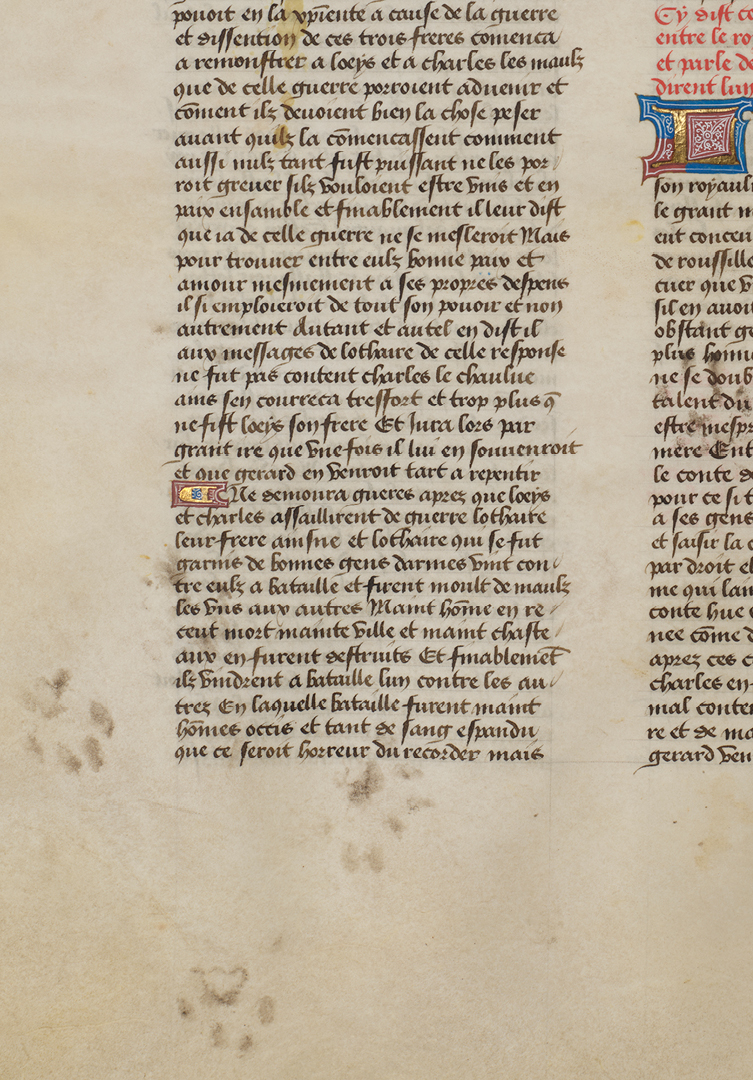
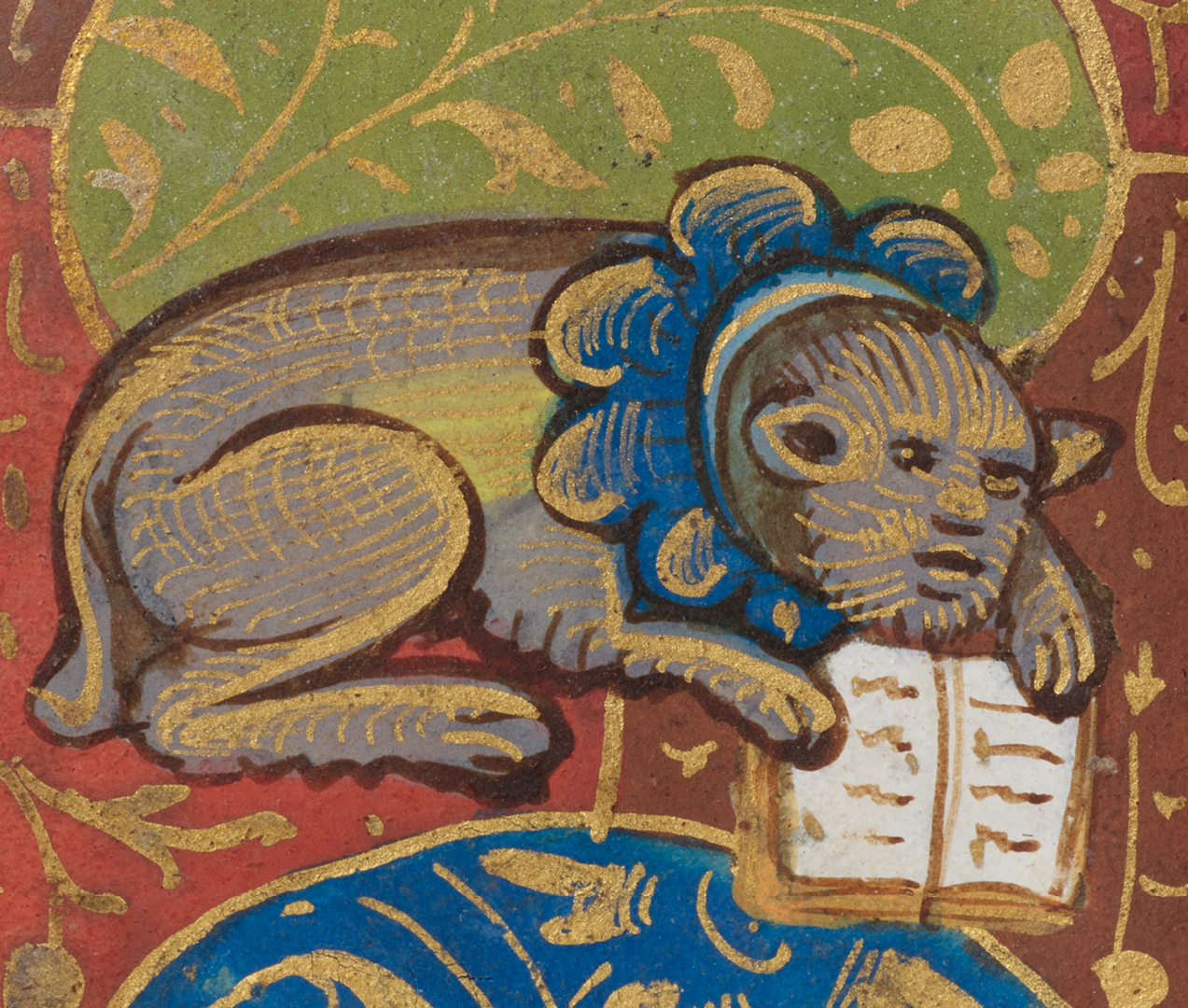
Jean Mansel (author), La Fleur des Histoires (detail), ca. 1470. Acquired by Henry Walters, 1904.
-
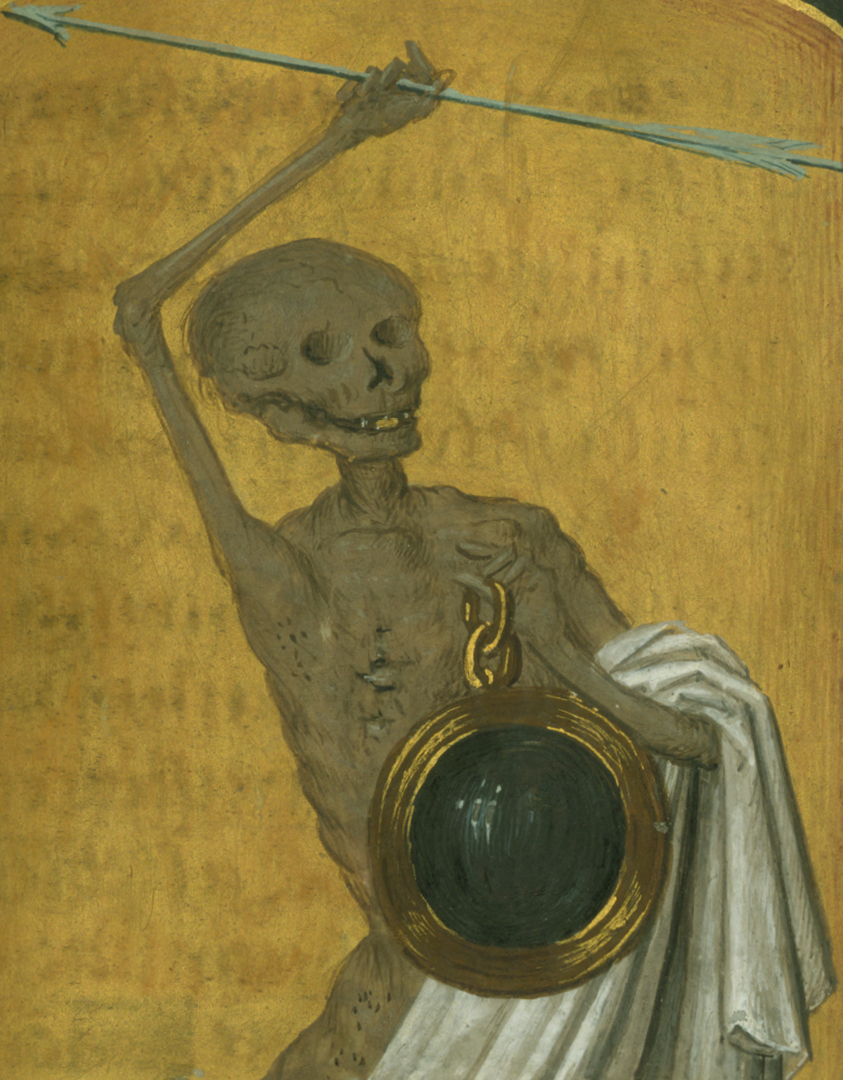
Book of Hours (Use of Rome), Flanders (Mons region), ca. 1490–1500. Walters Art Museum, 1931, by Henry Walters’ bequest.
There’s still time to check out the cats and their antics in Paws on Parchment, but these objects will head back to the bookshelf after February 22, 2026, to make room for the next foray into the Walters’ manuscript collection. This exhibition, entitled Medieval Mindscapes, will take visitors on a journey through the medieval imagination, examining remarkable illustrations in 20 works drawn from the Walters’ collection of books of hours.
Books of hours are personal prayer books that were made for specific owners across medieval Europe. Although they were available at a variety of price points, all books of hours had imagery, which provided an opportunity for intimate, daily interaction with art in service of the user’s Christian faith. These books employed innovative visual strategies to engage the imagination of the user. For example, some books were embedded with custom portraits of their owners to encourage them to picture themselves in the depicted scenes, while other books contained images that confronted the viewer directly. These sophisticated artistic strategies were designed to enhance the book owners’ private devotion.
“These books were designed to really involve their owners in handling them and thinking about their imagery,” said Lauren Maceross, Zanvyl Krieger Curatorial Fellow of Rare Books and Manuscripts and curator for Medieval Mindscapes. “It wasn’t passive looking; it was an active process. This exhibition puts an emphasis on the way books of hours engaged users’ imaginations, which is a bridge that connects these books’ medieval users to our visitors today. What visitors learn in this exhibition may even inspire their own imaginations and creativity!”
“Books have a way of revealing our shared humanity across time.”
Paws on Parchment and Medieval Mindscapes examine works from the Walters’ collection through very different lenses, but both aspects—playful and devotional—were part of medieval life. It is meaningful that these exhibitions appear alongside displays of other objects from this time period, because, as Maceross says, “books didn’t exist in a vacuum.” People used books along with the objects that are on view in the medieval galleries, such as paintings, jewelry, and altar objects, and seeing them side by side gives greater context to both and creates a more holistic view of the medieval world.
“Books are very complex objects,” said Herbert. “There are a lot of different ways to talk about them, and we’re constantly finding ways to tell the stories that are contained within our collection. It’s not just exciting for us, it’s exciting for our visitors, too, who might just leave the space feeling more connected to each other—and to people from the past. Books have a way of revealing our shared humanity across time.”